Animatronic dinosaurs are among the most impressive feats of modern themed entertainment engineering. These life-size robotic creatures combine structural steel engineering, precision motor control, hand-sculpted artistry, and programmable automation to bring extinct species back to life — often with such startling realism that visitors genuinely feel transported back 65 million years.
What Exactly Is an Animatronic Dinosaur?
An animatronic dinosaur is a life-size robotic replica of a prehistoric dinosaur species that mimics the creature's appearance, movements, and sounds using mechanical systems embedded inside a sculpted, realistic exterior. Unlike static statues or costumes, animatronics move autonomously — roaring, blinking, breathing, walking, and interacting with their environment through sensor systems.
The technology has come a long way since Disney pioneered animatronics in the 1960s. Modern dinosaur animatronics use servo motors, programmable logic controllers, silicone skin, and motion sensors to achieve levels of detail and realism that were unimaginable just a decade ago.
The Core Components of Every Animatronic Dinosaur
Every SAGE animatronic dinosaur is built on the same fundamental architecture, regardless of size or species:
- Structural Steel Frame: The internal skeleton is custom-welded from Q235 steel, engineered for the specific movements and weight distribution of each species. This frame supports the entire weight of the dinosaur and withstands the forces generated by moving components.
- Motor & Actuation System: DC and AC servo motors provide the power behind every movement — from subtle eye blinks to powerful tail sweeps. The number of motors varies from 5-8 in basic models to 20+ in premium units with advanced motion profiles.
- Control System: Programmable logic controllers (PLCs) coordinate all movements, sounds, and sensor responses. SAGE controllers support pre-programmed sequences, IR sensor auto-triggering, remote control operation, and DMX integration for stage environments.
- Foam Body Sculpting: High-density polyurethane foam forms the muscle and body shape between the steel frame and the outer skin. Our sculptors shape the foam by hand, carving every muscle definition, fold, and contour to match the species anatomy.
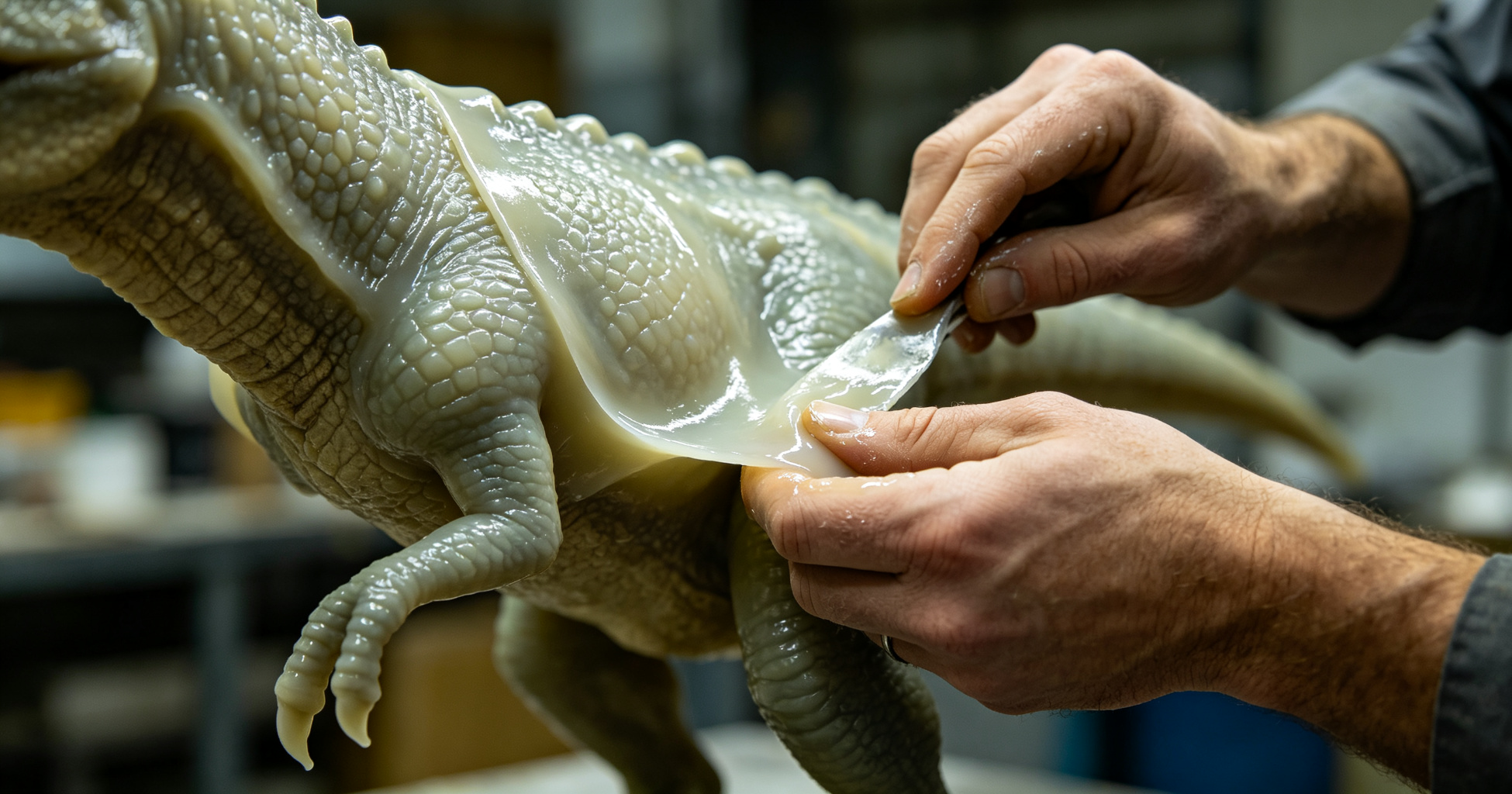
- Silicone Skin & Texture: The outermost layer is typically a custom-formulated silicone blend — poured, painted, and textured by hand to achieve realistic skin appearance. Silicone is preferred for its durability, UV resistance, and ability to stretch and flex naturally with underlying movements.
- Sound System: Built-in speakers and digital audio players produce species-appropriate roars, growls, and calls, perfectly synchronized with mouth and body movements for maximum realism.
How the Movements Work
Each movement point on the dinosaur is controlled by its own motor and position feedback sensor. The control system runs pre-programmed sequences that coordinate multiple motors simultaneously — so when a T-Rex roars, its mouth opens, its head tilts back, its chest expands, and its tail shifts weight, all in perfect synchronization.
In sensor-activated mode, infrared or microwave motion detectors trigger the sequence when a visitor approaches within range. This creates the illusion that the dinosaur is responding directly to the audience, dramatically increasing engagement and perceived realism.
More advanced interactive models can incorporate touch sensors, pressure plates, AR overlays, and even voice recognition for truly immersive visitor experiences.
Why Animatronic Dinosaurs Matter
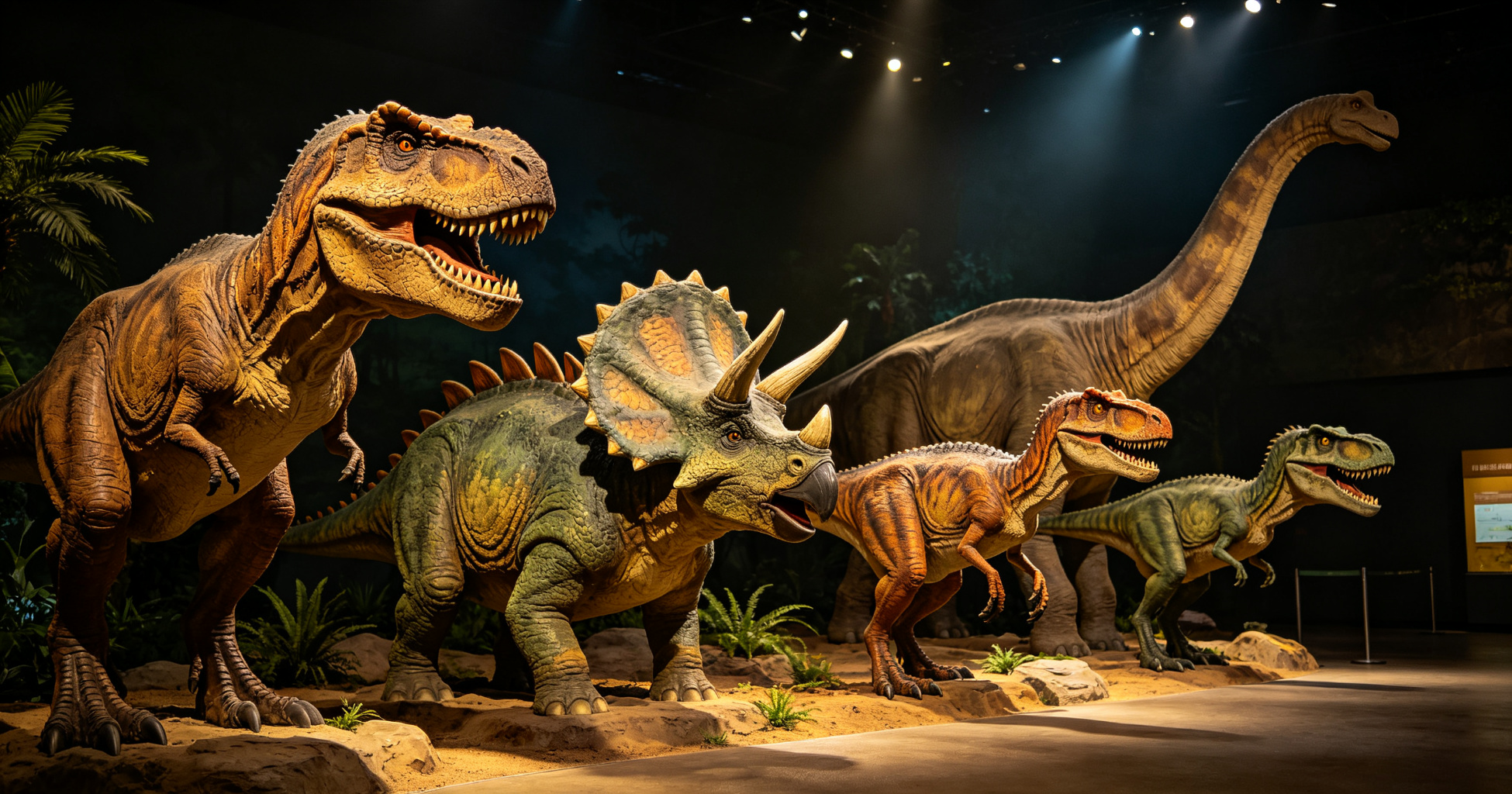
Beyond the spectacle, animatronic dinosaurs serve serious educational and commercial purposes. For museums and science centers, they provide immersive STEM learning experiences that dramatically improve student retention compared to textbook learning. Studies consistently show that interactive, multi-sensory exhibits increase knowledge retention by up to 60%.
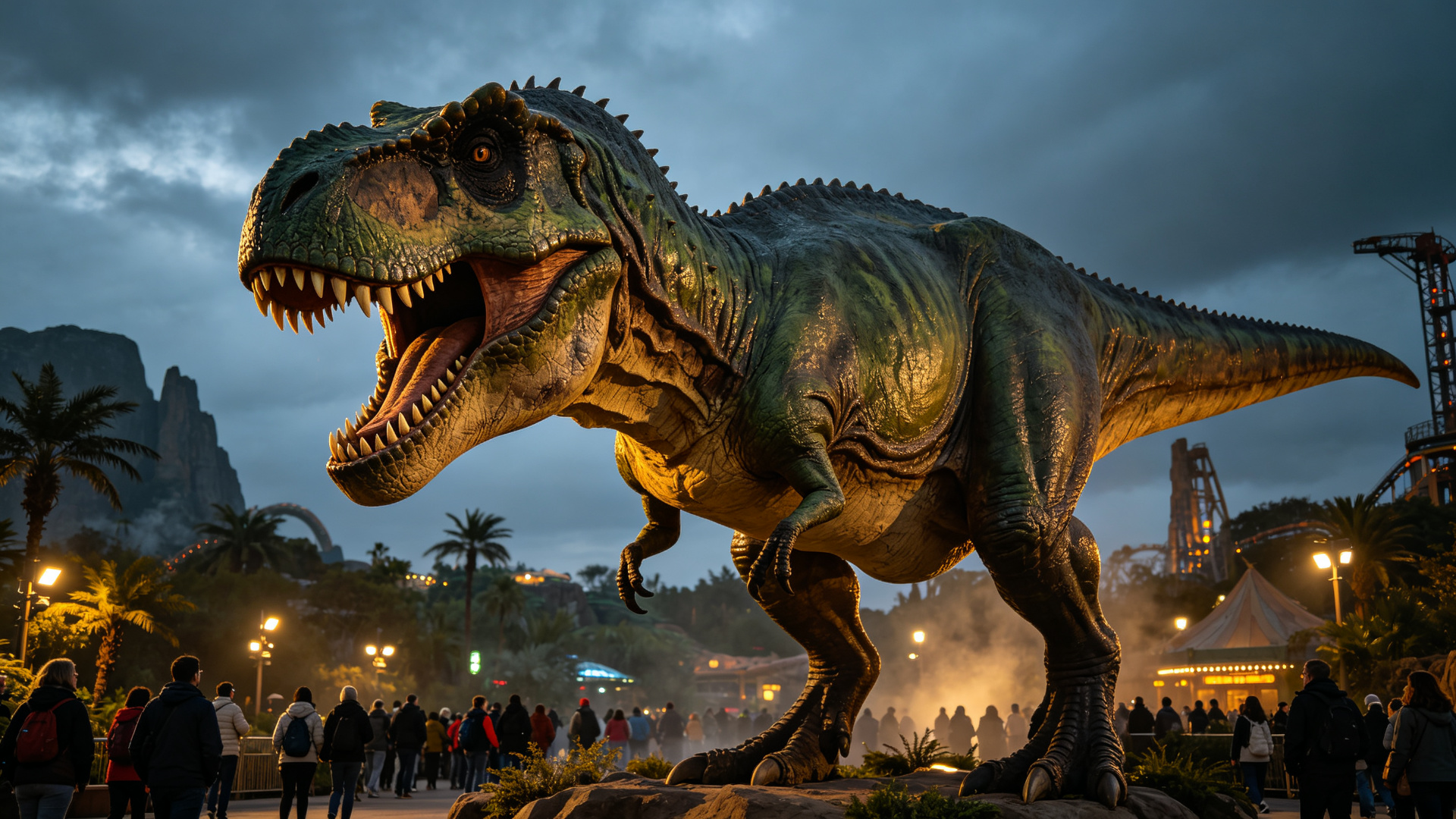
For theme parks and attractions, animatronic dinosaurs are proven traffic drivers. Venues that add quality animatronic exhibits typically see attendance increases of 15-25% during the exhibition period, along with longer visitor dwell times, higher secondary spending, and dramatically increased social media engagement.
For zoos, botanical gardens, and nature centers, animatronic dinosaur exhibitions offer seasonal programming that draws new audiences during traditionally slow periods and provides an evolutionary context that complements living animal collections.
What to Look for in a Quality Animatronic Dinosaur
Not all animatronic dinosaurs are created equal. When evaluating suppliers, consider these quality indicators:
- Industrial-grade steel frame with rust-proof treatment
- Quality servo motors with position feedback (not cheap hobby motors)
- Hand-sculpted foam musculature, not poured molds
- Silicone skin with multi-layer paint and UV protection
- IP65-rated waterproof electrical components
- CE and RoHS certification
- 2+ year warranty with parts and service support
Ready to Explore Further?
If you are considering adding an animatronic dinosaur to your attraction, museum, or event, we recommend starting with our buying guide to understand your options. You can also browse our full catalog of 80+ animatronic dinosaur models or contact our team for a customized recommendation based on your space, budget, and audience.