In the era of CGI, green screens, and fully digital creatures, you might think practical animatronic dinosaurs are obsolete in film and television. But the reality is more interesting. Animatronics have not disappeared — they have evolved. Many of the most successful recent dinosaur and creature productions have used a hybrid approach: practical animatronics on set for lighting, interaction, and performance reference, with CGI enhancement and extension in post-production.
Directors and visual effects supervisors have rediscovered what the practical effects masters knew all along: having something real on set makes everything else better. Actors perform better when they are acting opposite a real creature rather than a tennis ball on a stick. Lighting is more realistic when there is a physical object casting shadows and reflecting light. And the final result feels more grounded and believable, even when heavily augmented digitally.
Practical Effects vs. CGI: When to Use Each
The best creature movies today use both practical effects and CGI, each doing what it does best:
What Animatronics Do Best
- Close-up interaction shots: When an actor needs to touch, be near, or interact directly with the creature, practical effects sell the reality far better than CGI ever can.
- Lighting reference: A physical creature on set gives the DP and lighting team a perfect reference for how the creature should look in the actual lighting conditions.
- Actor performance: Actors give better performances when they have something real to react to. The fear, the wonder, the timing — all feel more authentic.
- Practical physics: Water, dust, smoke, fabric — all react to a physical creature in ways that are extremely difficult and expensive to replicate digitally.
- On-set energy: Having a real creature on set creates excitement and energy among the cast and crew that translates to better work.
What CGI Does Best
- Full-body running, jumping, flying: Any shot where the creature is doing something physically impossible for an animatronic — running at full speed, jumping, flying, fighting — is better done with CGI.
- Dangerous stunts: CG creatures can do stunts that would be too dangerous or expensive with practical effects.
- Massive scale: Godzilla-sized creatures that would be impossible to build at full size.
- Complex action sequences: Fast-paced, highly choreographed action with multiple creatures and camera moves.
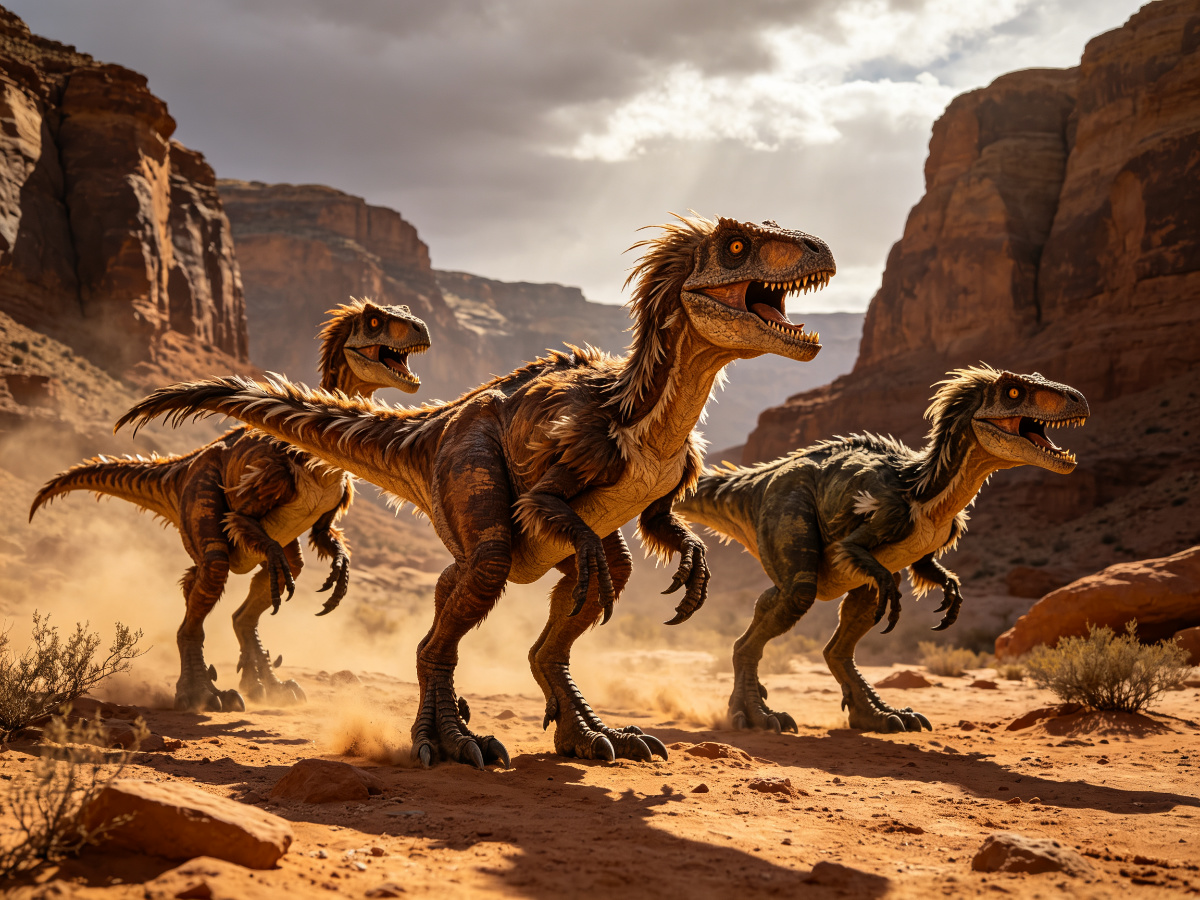
The hybrid approach — practical animatronics for close-ups and interaction, CGI for wide shots and action — gives you the best of both worlds. And because the CGI is built on top of a real physical performance, it tends to look more realistic than CGI created entirely from scratch.
Types of Dinosaur Animatronics Used in Film
Film and TV productions use several different types of dinosaur animatronics depending on the shot requirements:
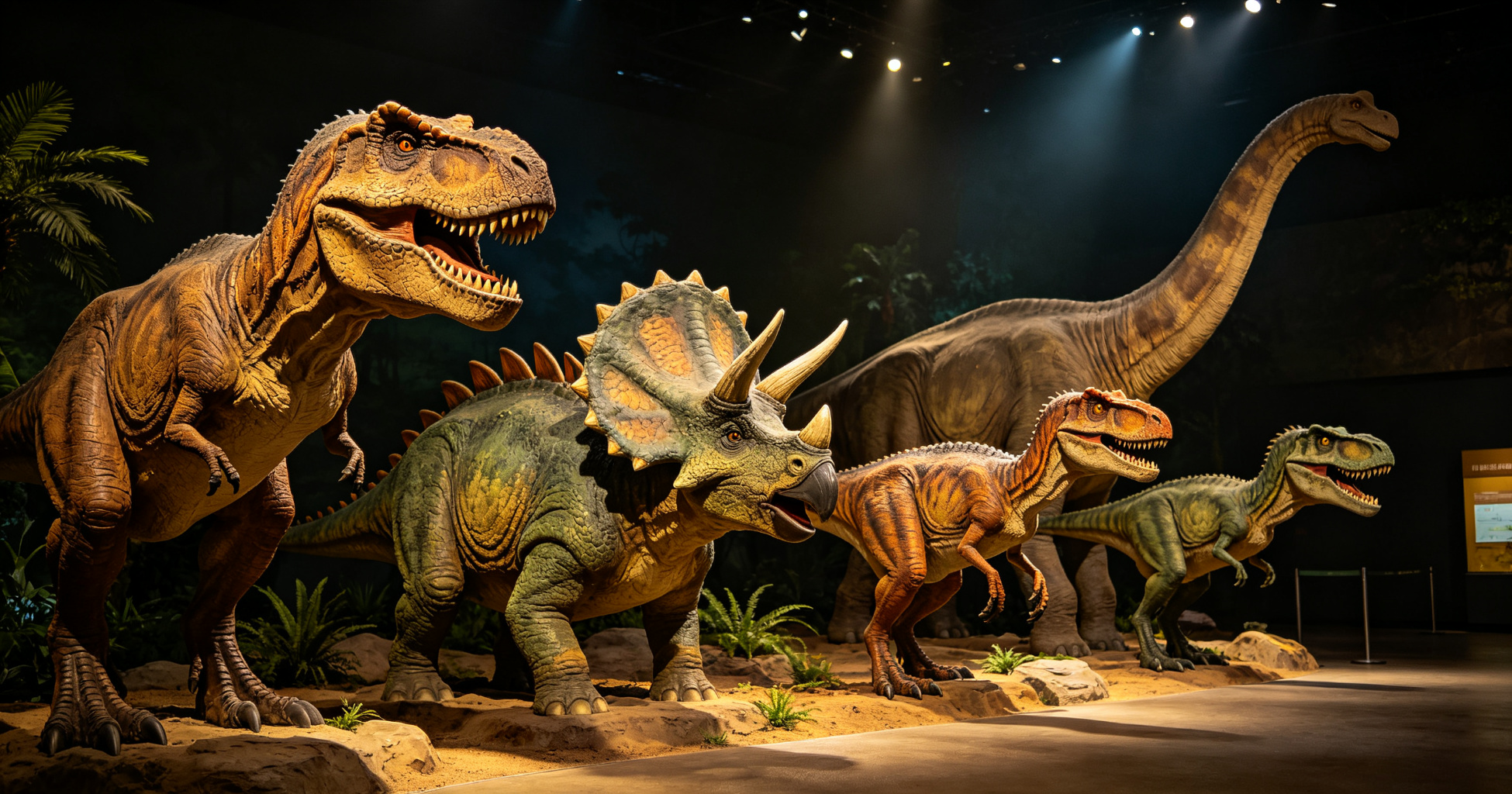
- Full-body animatronics: Complete, life-size dinosaur animatronics, usually mounted on a base. Used for static or slow-moving shots, close-ups, and scenes where the dinosaur interacts with actors at close range.
- Bust / head only: Just the head, neck, and shoulders of the dinosaur. Used for close-up reaction shots, dialogue (if the dinosaur "talks"), and detailed facial expression shots. Much more affordable and practical than a full-body model.
- Rod puppets and cable-controlled: Smaller dinosaurs or background creatures operated by puppeteers off-camera using rods and cables. Great for background movement, quick inserts, and scenes where a full animatronic would be overkill.
- Suits / performer-operated: Wearable dinosaur costumes with animatronic heads, operated from inside by a performer. Perfect for walking and full-body movement shots where a performer's legs can be edited out in post.
- Insert animatronics: Specific body parts — a hand, a tail, a foot — built as standalone animatronics for insert shots. Used when you only see one part of the dinosaur on camera.
Custom Build vs. Rental
Film and TV productions have two options for dinosaur animatronics: custom builds or rental of existing models.
Custom Build
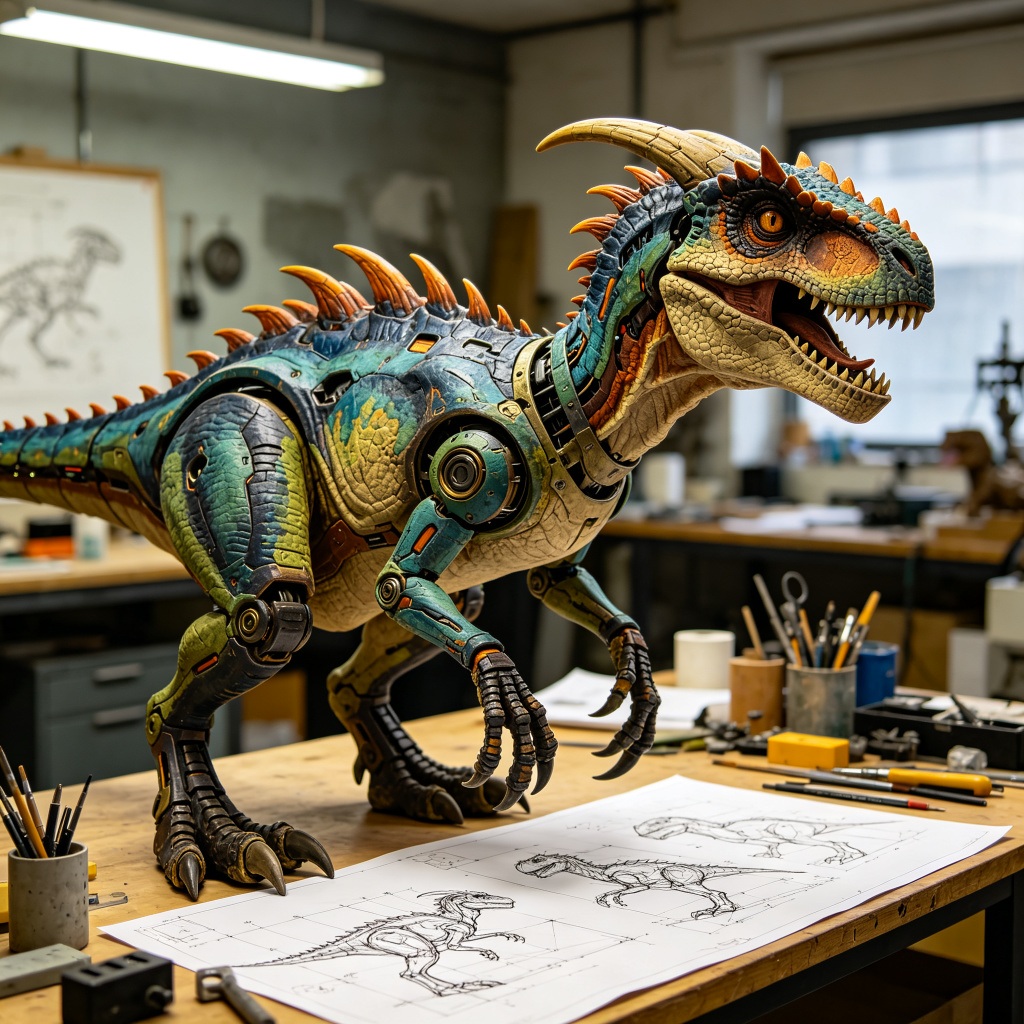
For productions with specific requirements — a particular species, a specific size, specific movements — a fully custom animatronic is the way to go. The production works with the animatronic manufacturer to design and build exactly what they need, down to the smallest details.
Timeline: 4-12 weeks depending on complexity and size
Cost: $10,000 – $100,000+ depending on size, complexity, and level of finish required
Best for: Major productions with specific creature requirements, sufficient budget, and enough lead time
Rental
For many productions, renting an existing animatronic dinosaur is more practical. Catalog models can be repainted and modified to match production requirements. This is faster and much less expensive than building from scratch.
Timeline: 1-4 weeks (depending on modifications needed)
Cost: Typically 15-30% of the purchase price for a rental period of 2-4 weeks
Best for: Commercials, B-movies, TV episodes, background creatures, any production with limited budget or tight timeline
SAGE maintains a rental fleet of our most popular dinosaur models available for film, TV, and commercial productions. We can also modify our rental models with custom paint, additional features, or movement changes for specific productions.
On-Set Considerations
Using animatronic dinosaurs on a film set comes with some specific considerations:
- Power: Animatronics need reliable power on set. Generators are standard for location shoots. Make sure the generator is sized properly and positioned far enough away not to be picked up by sound recording.
- Control: Film animatronics are typically operated by a dedicated puppeteer / technician using a remote control panel, rather than running on pre-programmed sequences. This allows the performance to be adjusted in real time based on the actor's performance and the director's direction.
- Sound: Animatronic motors make noise — not loud, but enough to be picked up by sensitive production sound equipment. Plan for ADR or post-production sound replacement for dialogue scenes near the animatronic. Alternatively, the animatronic can operate silently during takes and be added to the performance in post.
- Heat and cooling: Studio lights generate a lot of heat. Silicone skin and foam can handle it, but electronics may need additional cooling for long studio shoots.
- Safety: Animatronics on set are powerful machines. The set must be clearly marked, and only trained personnel should operate them. Always maintain a safety zone when the animatronic is active.
- Makeup and touch-ups: Have a makeup / effects artist on hand to touch up the dinosaur's paint between takes, fix any scuffs, and adjust skin appearance as needed for different shots.
Why Practical Effects Are Making a Comeback
After two decades of declining use as CGI took over, practical creature effects have been making a comeback in recent years. Several factors are driving this trend:
- Audience fatigue with CGI: Audiences have become more sophisticated about digital effects and can often spot CGI instantly. Practical effects have a tangible quality that audiences respond to — they feel "real" in a way that even the best CGI sometimes does not.
- Director preference: A growing number of A-list directors are championing practical effects — Christopher Nolan, Denis Villeneuve, Gareth Edwards, and others have all spoken about the value of having real things on set.
- Hybrid approach proven effective: The industry has learned that practical + CGI hybrid approaches look better and are often cheaper than all-CGI creatures. The practical elements give the CGI artists real reference points, making the digital work better and faster.
- Streaming content boom: The explosion of streaming content has created demand for more productions at all budget levels, including mid-budget projects that benefit from practical effects.
This does not mean CGI is going away — far from it. But the pendulum has swung back from "everything should be CGI" to a more balanced approach where each technique is used for what it does best.
Working with SAGE on Film Productions
SAGE provides animatronic dinosaurs and custom creatures for film, television, and commercial productions worldwide. Our capabilities include:
- Rental of our extensive catalog of dinosaur and creature animatronics
- Custom animatronic design and build for specific productions
- On-set technical support — our technicians can travel with the production to operate and maintain the animatronics on set
- Fast turnaround for commercial and short-form production schedules
- Worldwide shipping and customs handling for international productions
If you are a producer, director, or VFX supervisor planning a production with dinosaur or creature elements, contact us early in the process. The earlier we get involved, the more we can help you plan the right balance of practical and digital effects for your budget and schedule.