Choosing the right animatronic dinosaur for your theme park is one of the most impactful decisions you can make for guest satisfaction, repeat visitation, and revenue. A well-chosen dinosaur becomes a signature attraction — a photo magnet, a social media sensation, and a landmark that draws families year after year. The wrong choice ends up as an expensive piece of scenery that guests walk past without a second glance.
Start with Your Audience and Goals
Before browsing catalogs and comparing prices, define your objectives clearly. Are you trying to increase gate attendance, extend visitor dwell time, boost merchandise sales in a specific area, create a landmark for brand recognition, or educate visitors about prehistoric life?
A "signature" dinosaur at the park entrance — say, a 15-meter T-Rex perched on a cliff above the main gate — serves an entirely different purpose than a pack of Velociraptors hidden in a jungle walkway designed for intimate scares and close-up photos. Both are valid strategies, but they call for different species, sizes, and placement approaches.
Similarly, consider your primary audience demographic. Dinosaur exhibits appeal across age groups, but different species resonate differently. Toddlers and young children tend to prefer colorful, approachable herbivores like Triceratops and Brachiosaurus, while older kids and teenagers seek out the apex predators — T-Rex, Spinosaurus, and Allosaurus.
Species Selection: The Crowd Drawers
Some dinosaur species are proven audience favorites that reliably deliver strong ROI:
- Tyrannosaurus Rex: The undisputed king of dinosaur popularity. A large T-Rex is the single strongest crowd-drawing species available. Plan for your biggest budget allocation here.
- Triceratops: The most popular herbivore, with strong cross-generational appeal. Perfect for family photo opportunities and balancing the predator-heavy lineup.
- Velociraptor: Made iconic by the Jurassic Park franchise, raptors excel in interactive exhibits, walk-through jungles, and pack-hunting dioramas.
- Brachiosaurus / Sauropod: The towering "wow" species. Nothing makes a bigger visual statement than a 20+ meter long-necked sauropod visible from across the park.
- Stegosaurus: Instantly recognizable with its back plates and thagomizer tail. Great for educational messaging about dinosaur defense.
- Spinosaurus: Growing in popularity, especially for water-themed areas. The sail-backed silhouette is distinctive and photo-friendly.
Sizing Your Dinosaurs
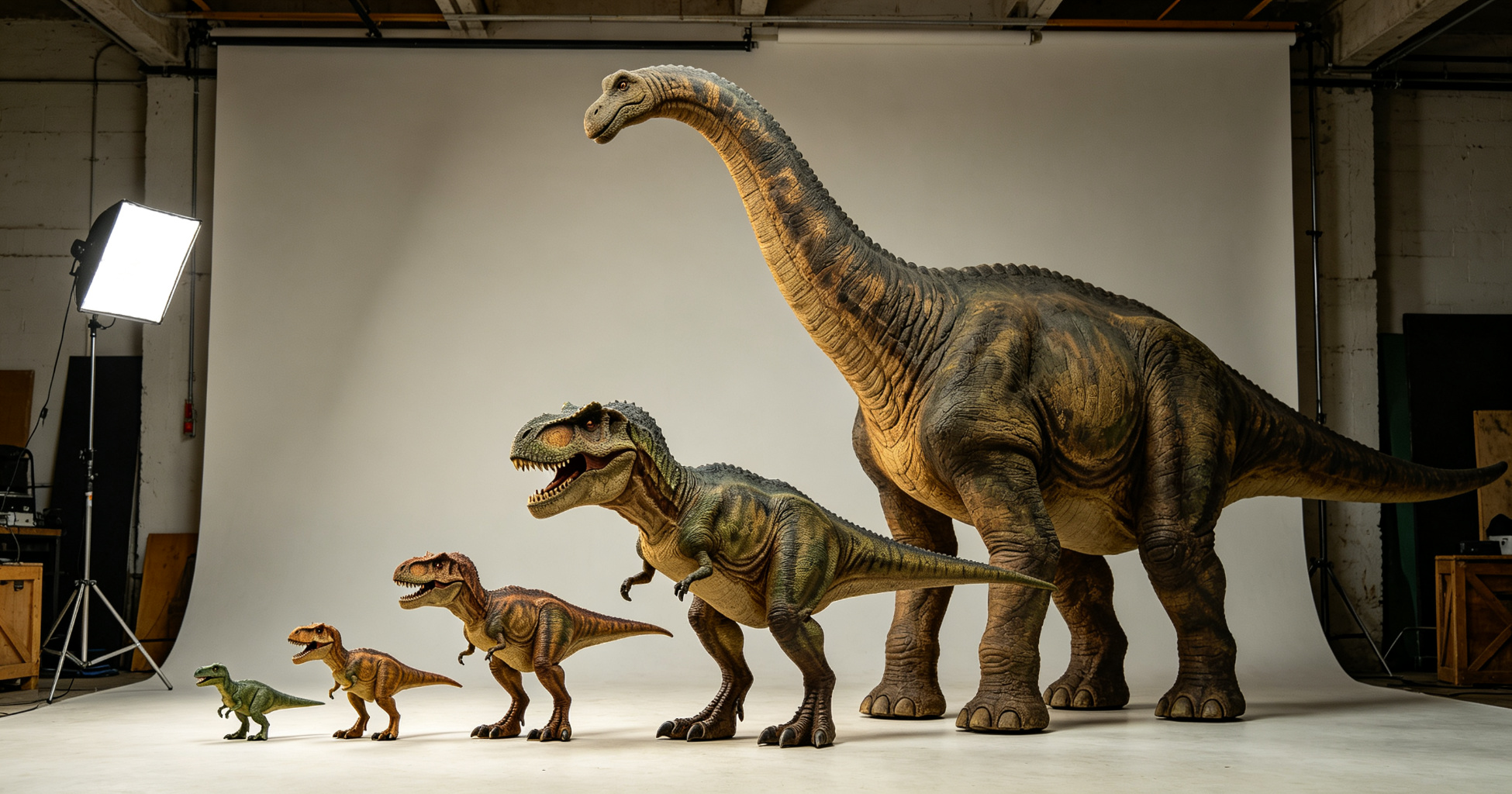
Size is the single biggest factor in both cost and visual impact. Here is a quick reference for theme park applications:
- Small (2-4m): Ideal for indoor exhibits, walk-through trails, queue line entertainment, and tight spaces where you want a close-up encounter.
- Medium (6-10m): The sweet spot for most theme park installations. Visually impressive from a distance, works both indoors and outdoors, and balances cost with impact.
- Large (12-18m): Signature pieces and landmark attractions. Reserve these for high-visibility locations — park entrances, central plazas, ride pre-shows.
- Giant (20m+): Statement pieces that define an entire zone of the park. Only justified if the dinosaur will be visible from far away and serves as a directional landmark.
Always measure your space carefully and account for clearance, safety barriers, maintenance access, and sight lines. A dinosaur that fills its space perfectly and is visible from multiple angles delivers far better ROI than the biggest dinosaur you can squeeze into a spot with poor sight lines.
Movement Complexity: How Much Is Enough?
The number and sophistication of movements significantly impact both cost and perceived quality. For most theme park applications, we recommend a minimum of 5-7 movements for primary exhibit dinosaurs:
- Mouth open/close with sound sync
- Head turn left/right
- Eyes blink
- Body breathing
- Tail sway
- Neck up/down (for long-necked species)
- Front leg shift or body weight shift
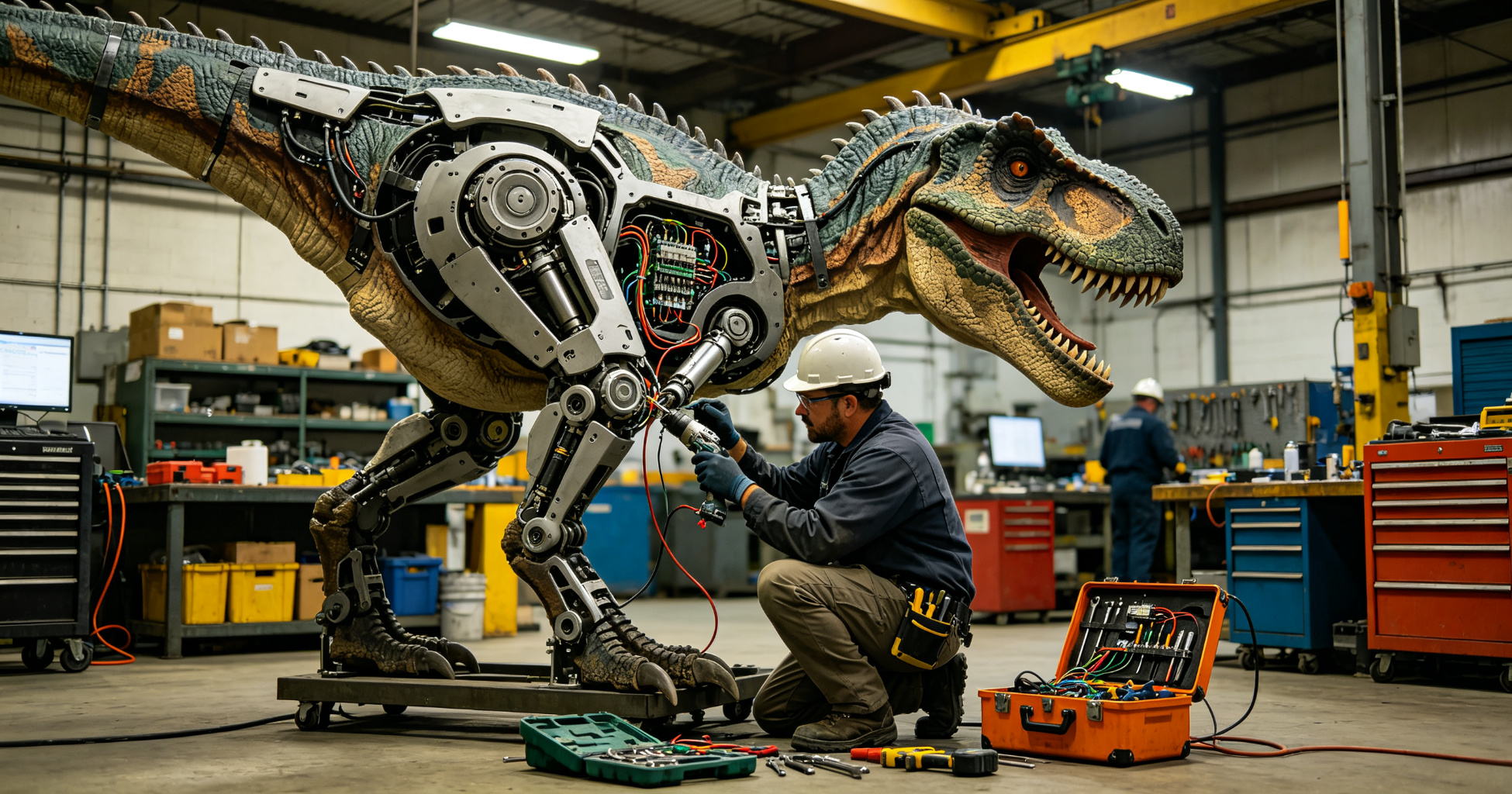
Premium models can have 12+ movements including walking legs, wing flapping, interactive response sequences, and special effects like water spray or smoke. These are fantastic for signature attractions but may be overkill for secondary locations.
Budget Planning and ROI Calculation
Animatronic dinosaur costs range from approximately $3,000 for small, basic models to $80,000+ for giant, custom pieces. For theme park planning, use these budget benchmarks:
- Small accent dinosaurs (2-4m): $3,000 – $8,000 each
- Mid-size main exhibits (6-10m): $12,000 – $30,000 each
- Large signature pieces (12-18m): $30,000 – $60,000 each
- Giant custom installations (20m+): $60,000 – $150,000+
To calculate ROI, estimate the incremental revenue from increased attendance, longer dwell times, and higher per-capita spending, then subtract the purchase cost plus 5-10% annual maintenance. Most theme park dinosaur exhibits pay for themselves within 1-2 seasons through ticket and merchandise revenue increases.
Final Tips for Theme Park Buyers
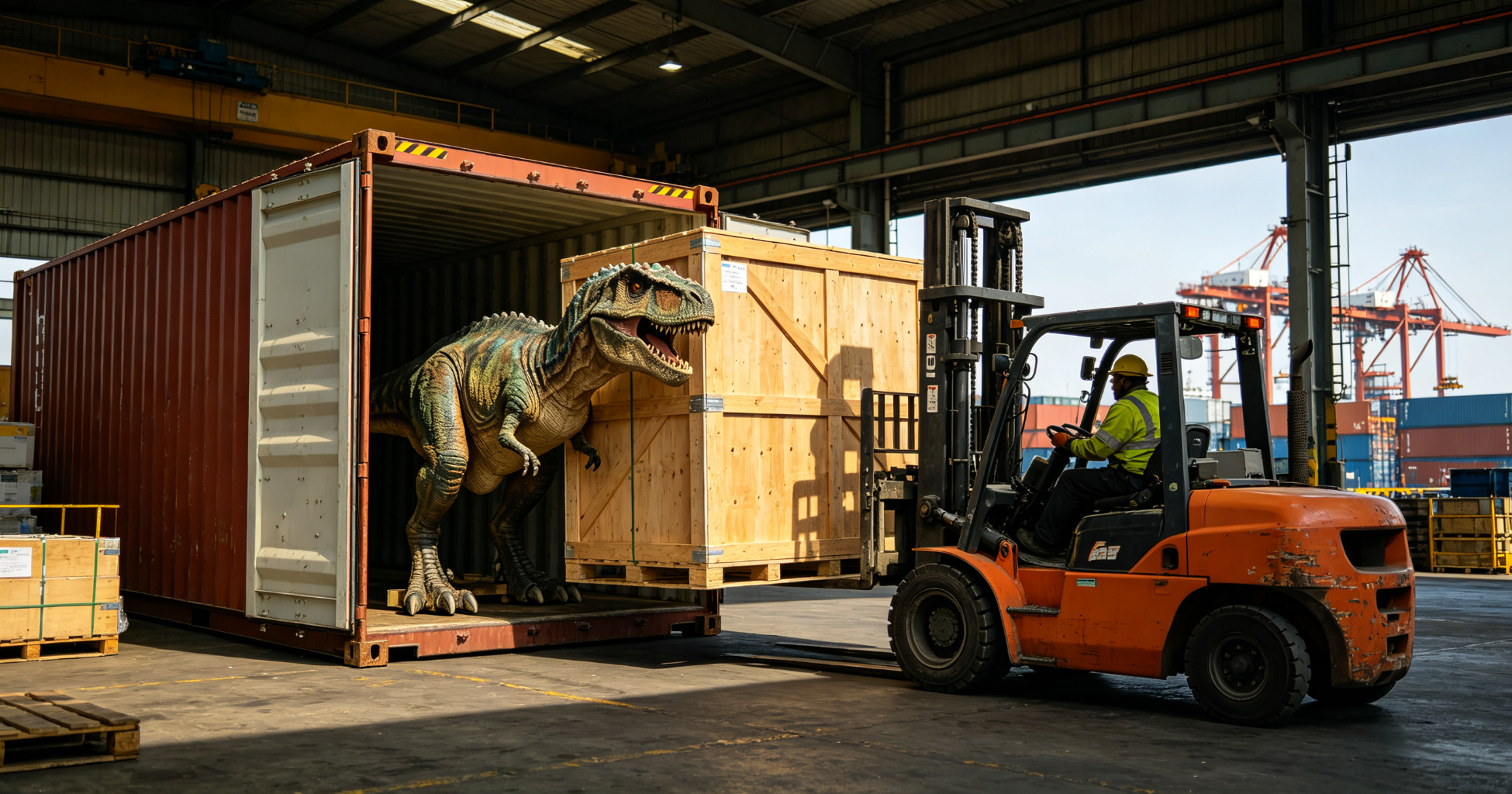
Always visit the factory or request detailed production photos before committing. Ask about warranty coverage and spare parts availability. Consider ordering multiple dinosaurs from the same manufacturer for volume discounts and coordinated design. And plan for professional installation — improper setup can reduce a dinosaur's lifespan by years.