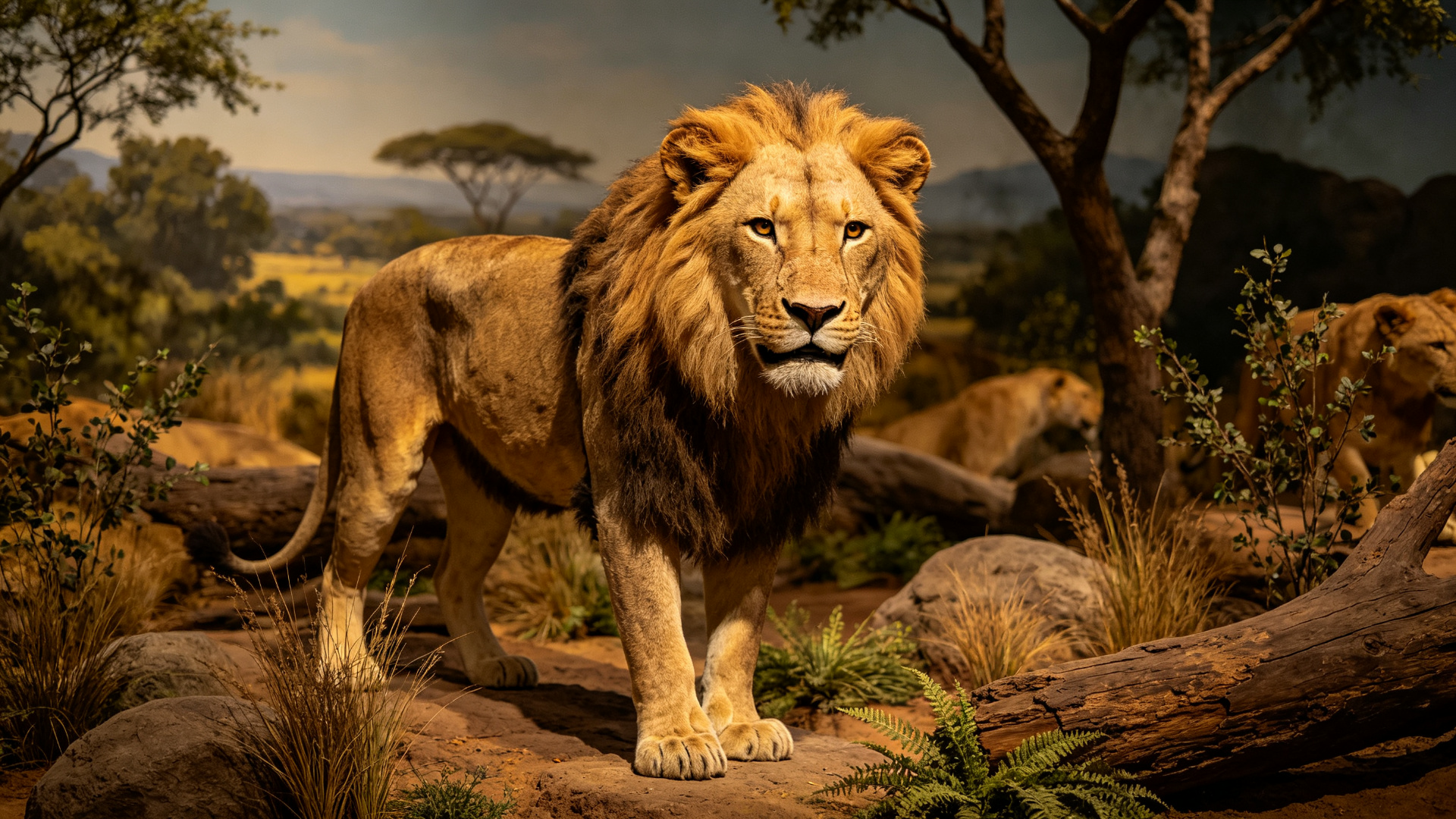
Animatronic lion models bring the king of the jungle to life with realistic mane textures, powerful roaring movements, and pride group displays. Explore how these big cat animatronics enhance savanna-themed exhibits and wildlife attractions.
The King of the Jungle in Animatronic Form
The lion is one of the most iconic and recognizable animals on Earth, and animatronic lion models are perennial favorites in wildlife parks, zoos, museums, and themed attractions. Often called the 'king of the jungle' (though lions actually live on savannas), these big cats command attention and respect wherever they appear. A well-crafted animatronic lion can be the centerpiece of a savanna exhibit, a natural history museum diorama, or a themed entertainment venue — bringing the power and majesty of Africa's top predator to life.
Lion Biology and Realism Requirements
To create a truly convincing animatronic lion, every anatomical detail must be accurate:
- Size: Adult male lions weigh 190-265 kg and measure 2.7-3.3 meters long including the tail. Females are smaller, at 120-190 kg and 2.4-2.7 meters long.
- The mane: The male lion's mane is its most distinctive feature. Mane color ranges from blonde to black, and mane darkness correlates with testosterone and health. A realistic lion animatronic needs a detailed, layered mane with proper texture and flow.
- Fur texture: Lion fur is short, dense, and tawny golden in color. The belly and inside of the legs are lighter. The fur around the neck, shoulders, and mane of males is longer and thicker.
- Facial features: Powerful jaws with large canines, rounded ears, and distinctive whiskers. The eyes have a characteristic amber or golden-brown color.
- Paws and claws: Large, padded paws with retractable claws. The paw pads are textured and the dewclaw is positioned higher on the leg.
- Tail with tuft: Lions have a distinctive black tuft at the end of their tail — unique among cats. The tail is used for communication and balance.
Movement and Animation Options
Quality animatronic lions include these realistic movements:
- Head turn and tilt — lions use head movement extensively for communication and scanning their environment
- Mouth open/close with roar — the iconic lion roar is deep, resonant, and carries for miles
- Eyes blink and look around — subtle eye movement brings the face to life
- Chest breathing — powerful, visible chest rise and fall, especially during roaring
- Ear twitch — lions have highly mobile ears that rotate to pinpoint sounds
- Tail sway and flick — the tail moves constantly, with the black tuft swaying hypnotically
- Whisker twitch — very subtle but adds enormous realism when done well
- Walking / pacing motion on premium models — slow, powerful stride with the distinctive lion gait
- Chest beating / mane shake — for male lions, a full-body shake that ripples through the mane is incredibly dramatic
Mane and Fur: The Texture Challenge
The mane is one of the most challenging — and most important — parts of an animatronic lion:
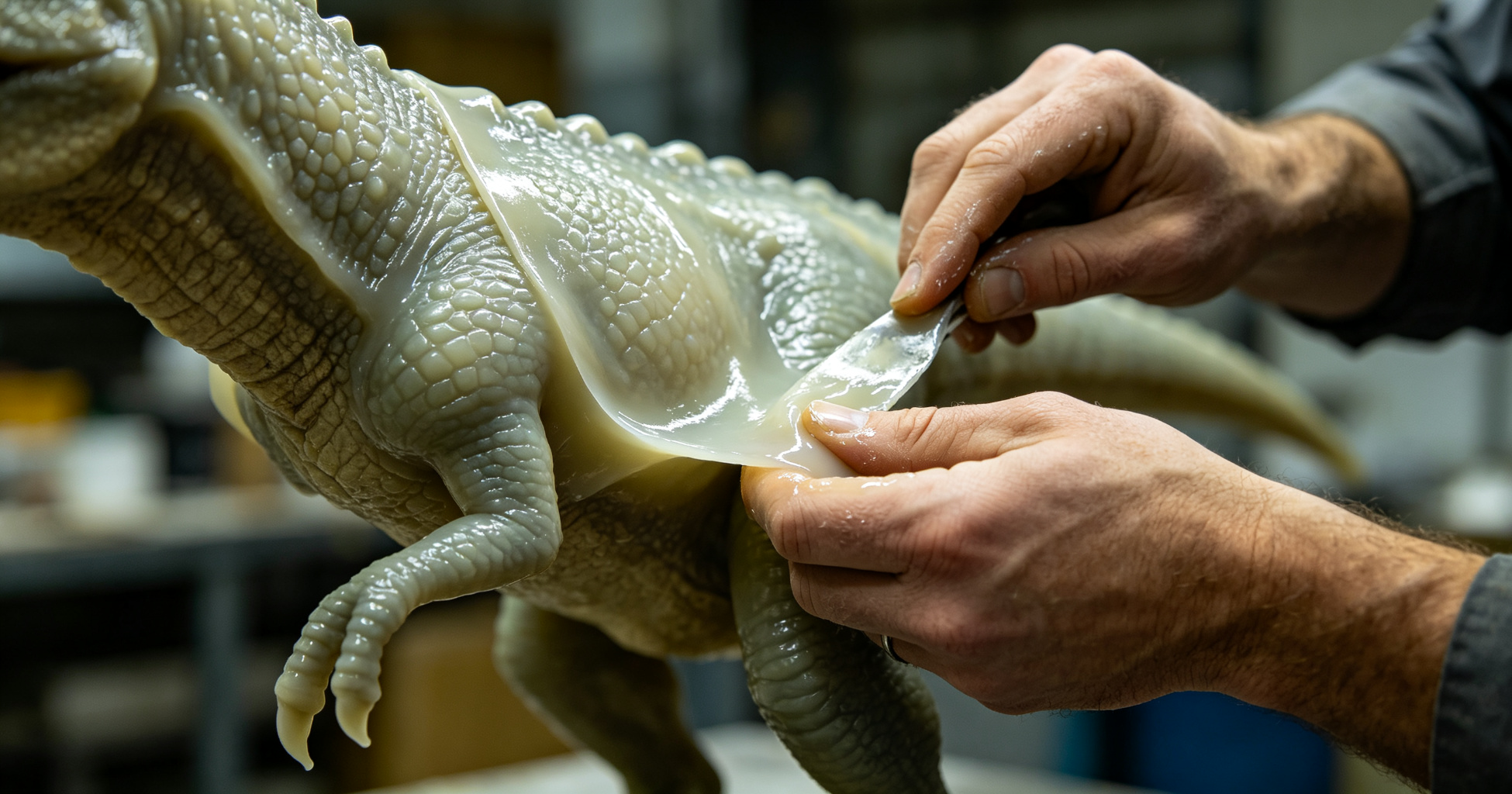
- Material options: High-quality synthetic fur, natural animal hair, or a hybrid blend. The best models use a combination of materials for different layers of the mane.
- Layered construction: A realistic mane needs multiple layers — shorter underfur and longer guard hairs — just like a real lion's mane.
- Color gradient: A natural mane is not one solid color. It has highlights, lowlights, and subtle color variation from root to tip.
- Movement: The mane should move naturally with the lion's head and body — swinging, rippling, and falling back into place realistically.
- Weather resistance: For outdoor installations, the mane material must be UV-resistant, water-repellent, and durable enough to withstand wind and weather.
Pride Displays: Multiple Lions Working Together
Lions are social cats that live in prides — and a pride display is far more compelling than a single lion:
- Male + female pair: The classic lion couple — a large-maned male and a sleek lioness. Shows sexual dimorphism clearly.
- Full pride: 3-5 lions including a male, several females, and cubs. Creates a rich, naturalistic scene with lots of visual interest.
- Hunting scene: Lionesses in stalking / hunting poses. Very dynamic and action-oriented.
- Roaring male: A solo male lion in a roaring pose — powerful and iconic. Perfect as a standalone photo opportunity.
- Interactive feeding: Visitors 'feed' the lion through a fence or glass — the lion reacts to the food with realistic mouth and head movement.
Exhibition Themes and Applications
Animatronic lions work beautifully in many different contexts:
- African savanna exhibit: The centerpiece of a full African wildlife display — lions alongside zebras, giraffes, elephants, and antelopes.
- Big cat collection: Lions, tigers, leopards, and cheetahs together — showing the diversity of the big cat family.
- Predator-prey diorama: Lions hunting or facing off against zebras, wildebeest, or buffalo. Dramatic and educational.
- Zoo and wildlife park: Animatronic lions can supplement live animal exhibits, especially for nocturnal or shy species that visitors rarely see active.
- Museum natural history: Accurate, scientifically-rigorous lion models for natural history museums and educational institutions.
- Theme park and entertainment: Lions are instantly recognizable and work great as photo ops, show elements, or entrance features.
- Conservation messaging: Animatronic lions can be powerful ambassadors for lion conservation — reaching audiences who might never see a real lion in the wild.
Size Ranges and Pricing
Animatronic lion models are available in multiple sizes:
- Small (1-2m): Compact models for indoor displays and smaller venues. Budget: $2,500 - $6,000.
- Medium (2.5-3m): Life-size adult lioness or sub-adult male. The most popular size for standard exhibits. Budget: $7,000 - $15,000.
- Large (3.5-4m): Full-size adult male lion with full mane. Impressive and dramatic. Budget: $16,000 - $30,000.
- Custom / pride displays: Multi-lion setups with custom poses and interaction. Pricing varies by complexity.
Ready to Add Lions to Your Wildlife Collection?
Animatronic lions are among the most popular and impactful animal models you can add to your collection. Browse SAGE's full animatronic animal lineup or contact our team for custom lion pride displays and African savanna exhibit design.