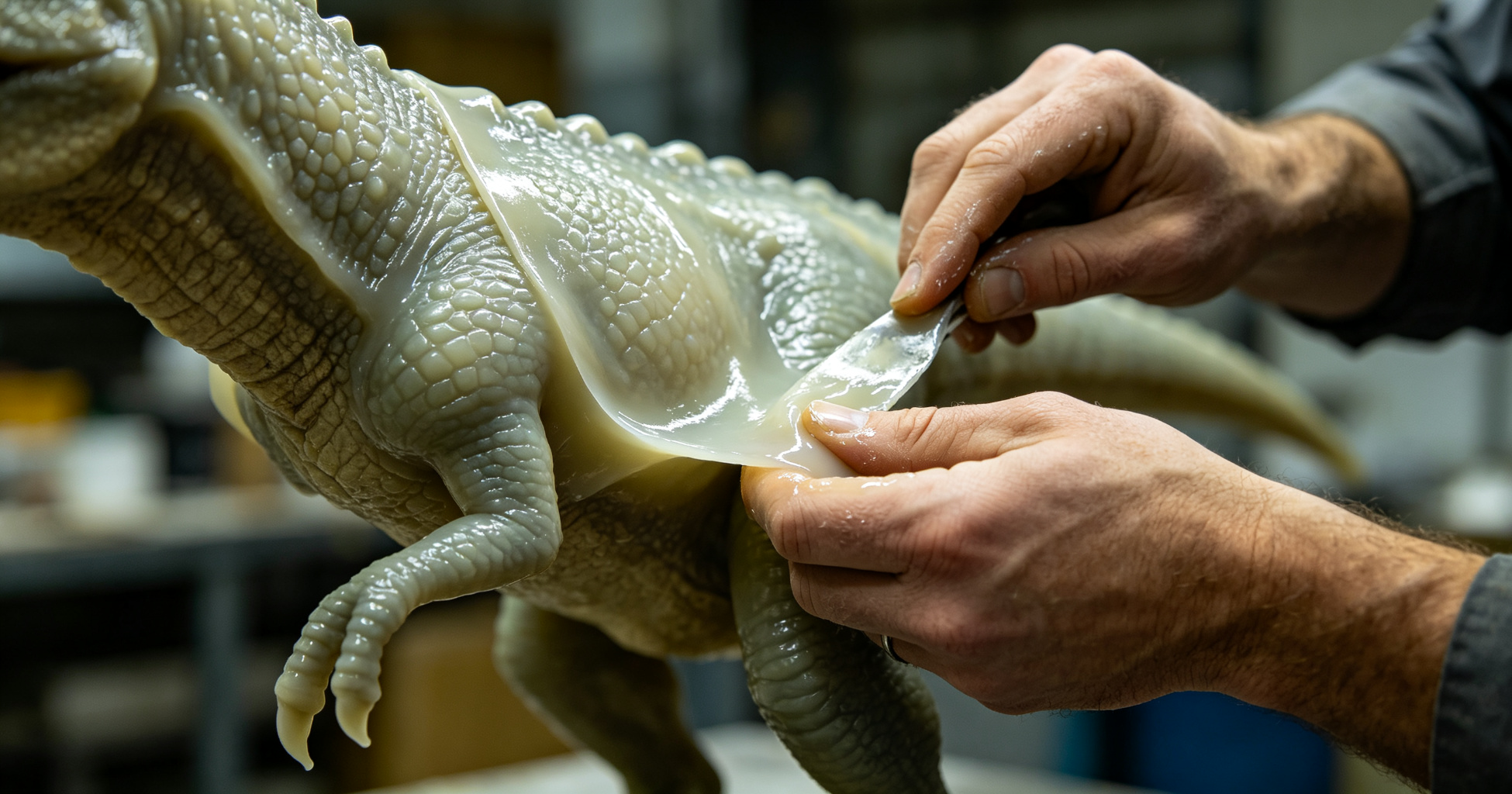
Animatronic wolf models bring the pack-hunting predator to life with realistic howling animations, pack displays, and forest themes. Explore wolf behavior, pack dynamics, and exhibit design ideas for canine animatronics.
The Iconic Pack Predator
Wolves are the largest members of the canine family and some of the most iconic predators in the Northern Hemisphere. Known for their intelligence, complex social structure, and haunting howl, wolves have captivated human imagination for millennia. Animatronic wolf models are extremely popular in wildlife parks, natural history museums, and forest-themed attractions — especially when displayed as a pack, which showcases the social behavior that makes wolves so fascinating.
Wolf Biology and Pack Dynamics
Wolves are highly social animals with complex pack structures:
- Pack structure: A wolf pack is typically a family group — a breeding pair (the 'alpha' pair) and their offspring of various ages. Packs typically number 5-10 animals but can be larger.
- Communication: Wolves communicate through body language, facial expressions, scent marking, and vocalizations — including the famous howl. Howling helps packs stay in contact and advertise territory.
- Hunting: Wolves hunt cooperatively in packs, using teamwork to bring down prey much larger than themselves. Their strategy involves endurance, coordination, and strategy.
- Size: Adult gray wolves weigh 30-80 kg, with males being larger than females. Northern wolves are generally larger than southern populations.
- Fur: Thick double-layered coat — a dense underfur for insulation and longer guard hairs that shed water. Coat color ranges from white to gray to black, with most being grizzled gray.
- Senses: Wolves have excellent hearing (10x better than humans) and a sense of smell 100x better than ours. They can hear another wolf howling from up to 10 km away in open terrain.
Movement and Animation Features
Quality animatronic wolves include these realistic movements and behaviors:
- Howling: The iconic wolf howl — head thrown back, mouth open, with the characteristic long, mournful howl sound. One of the most dramatic and recognizable animal behaviors.
- Head movement: Wolves are constantly moving their heads — listening, scanning, watching. Alert head posture with ears forward.
- Ear movement: Wolves have very expressive ears — forward when alert, back when submissive or aggressive, sideways when relaxed. Ear movement is a key part of wolf communication.
- Mouth movement: Snarling, panting, lip curling, and quiet 'lip licking' — all important canine communication behaviors.
- Body posture: Wolves use body posture extensively — standing tall and stiff when dominant, crouched and low when submissive, hackles raised when aggressive.
- Tail movement: The tail is a major communication tool — held high for dominance, tucked for submission, wagging for excitement. The way a wolf holds its tail tells you a lot about its mood.
- Breathing: Visible chest breathing, with faster panting in hot weather or after 'activity'.
- Pacing / walking on premium models: The distinctive wolf trot — efficient, ground-eating, and endlessly watchable.
Pack Displays: Wolves Work Better in Groups
Wolves are social animals — a wolf pack display is far more compelling than a single wolf:
- Howling chorus: Multiple wolves howling together — the classic wolf pack chorus. Very atmospheric and attention-grabbing.
- Hunting formation: Wolves in a stalking or hunting formation — low to the ground, moving forward in a coordinated way. Very dynamic.
- Family group: Adult pair with pups and juveniles of different ages. Shows the family structure of a wolf pack.
- Dominance display: Two wolves interacting with body language — one dominant, one submissive. Shows wolf communication and social dynamics.
- Resting pack: Wolves resting together — curled up, lying in the sun. Naturalistic and peaceful. Great for balancing more dramatic displays.
Fur, Color, and Realism
Wolf fur must be executed with care to look realistic:
- Double coat: Wolves have a thick double coat — dense woolly underfur for insulation and coarser, longer guard hairs on top. The best animatronic wolves replicate this two-layer structure.
- Color variation: Gray wolves come in many colors — from pure white (Arctic wolves) to pure black, with most being some shade of grizzled gray with tan, brown, or black markings.
- Facial markings: Wolves have distinctive facial markings — lighter around the muzzle and eyes, darker on top of the head and around the ears. These markings are important for individual recognition.
- Seasonal variation: Wolves have thicker winter coats and thinner summer coats. For year-round outdoor displays, a 'perpetual' fur style that works in all seasons is usually best.
- Texture: Wolf fur is thicker and coarser than dog fur. The guard hairs are stiff and stand slightly away from the body — giving wolves their somewhat 'fluffy' silhouette, especially in winter.
Exhibit Design and Applications
Wolf animatronics work beautifully in many contexts:
- North American forest: Wolf pack in a pine or spruce forest — the classic wolf habitat. Very atmospheric with proper lighting and sound.
- Arctic / tundra: Arctic wolves (white wolves) in a snowy, barren landscape. Striking and visually dramatic.
- Predator-prey display: Wolves hunting or surrounding a deer, elk, or moose — showing the predator-prey relationship. Dynamic and educational.
- Howling exhibit: Pack of wolves on a ridge or rock outcrop, howling at the moon or at each other. Very atmospheric and iconic.
- Mixed forest display: Wolf alongside bear, moose, deer, fox, and other North American forest animals — a complete forest ecosystem.
- Yellowstone / national park theme: Wolves are a flagship species of the Yellowstone ecosystem. A Yellowstone-themed wolf exhibit ties into reintroduction and conservation stories.
- Conservation display: Wolves are a major conservation success story — reintroduced to Yellowstone and recovering in many areas. Animatronic wolves can tell this story.
Conservation and Education Value
Wolves are one of the greatest conservation success stories — and also one of the most controversial:
- Historical persecution: Wolves were hunted to extinction in most of the lower 48 United States by the mid-20th century — and extirpated across much of Europe.
- Reintroduction success: The reintroduction of wolves to Yellowstone National Park in 1995 is one of the most famous conservation success stories. The wolf population has recovered, and the entire ecosystem has benefited.
- Trophic cascade: The reintroduction of wolves to Yellowstone caused a 'trophic cascade' — changes rippled through the entire ecosystem, from elk behavior to tree growth to river shape. This is a powerful ecological story to tell.
- Human-wolf conflict: Wolf recovery has also brought challenges — livestock predation, competition with hunters, and fear. Educational displays can help people understand wolves and how to coexist with them.
Size Ranges and Pricing
Animatronic wolf models are available in multiple sizes:
- Small (1m): Juvenile or pup wolf models. Budget: $2,000 - $5,000.
- Medium (1.5-2m): Life-size adult wolf. The most popular size for standard pack displays. Budget: $5,000 - $12,000.
- Large (2.5m+): Oversized wolf for maximum impact — or a wolf in a dramatic standing / rearing pose. Budget: $14,000 - $25,000.
- Pack displays: Multi-wolf setups with custom poses and interaction. Volume discounts available for pack orders.
Ready to Add Wolves to Your Wildlife Collection?
Animatronic wolves — especially in pack displays — are incredibly atmospheric, educational, and popular with visitors. Browse SAGE's full animatronic animal lineup or contact our team for custom wolf pack designs and forest or Arctic exhibit planning.