Shopping malls are facing intense competition from e-commerce, and the old formula — anchor stores + food court + cinema — no longer guarantees strong foot traffic. Mall operators are increasingly turning to experiential attractions to give visitors a reason to show up in person, stay longer, and spend more. Few attractions deliver on this promise as effectively as animatronic dinosaur exhibitions.
Dinosaur exhibits are proven traffic magnets for malls. A well-executed dinosaur display can increase weekend foot traffic by 20-40%, dramatically increase time spent in the mall, and boost sales at adjacent retailers. Unlike seasonal Santa displays or pop-up shops, dinosaurs appeal to a broad demographic — kids, teenagers, adults, and seniors all engage with them, just in different ways.
Why Dinosaurs Work for Malls
Dinosaurs are uniquely suited to mall environments for several reasons:
- Broad demographic appeal: From toddlers who point and giggle to grandparents who remember their own childhood dinosaur fascination, dinosaurs cross age groups better than almost any other themed attraction.
- Photo-friendly: Life-size dinosaurs are natural social media magnets. Visitors post photos and reels, generating organic word-of-mouth that drives new visitors.
- Seasonal flexibility: Dinosaur exhibits can run for 4-12 weeks, making them perfect for school holidays, summer break, or spring break programming.
- Scalable investment: From a single feature dinosaur in the center court to a full 20+ dinosaur walk-through spanning multiple wings, malls can scale the exhibit to match their budget and available space.
- Low operational complexity: Compared to indoor playgrounds, ice rinks, or trampoline parks, dinosaur exhibits have minimal staffing and operational requirements.
Real-World Results: Mall Dinosaur Exhibits
SAGE has provided dinosaur exhibits for dozens of shopping malls worldwide. Here is what typical results look like based on post-exhibition client surveys:
- Foot traffic increase: 18-42% above baseline during the exhibition period, with the strongest lift on weekends and school holidays
- Average dwell time: +25-50% — visitors stay significantly longer when there is a dinosaur exhibit to explore
- Adjacent retailer sales lift: Stores near the dinosaur exhibit report 10-25% higher sales during the exhibition period. Food court and F&B operators see the strongest lift.
- Social media engagement: Malls typically see 2-4x more social media mentions and hashtag usage during dinosaur exhibitions
- New visitor acquisition: 25-35% of visitors say the dinosaur exhibit was their primary reason for visiting the mall that day, and many are first-time visitors
Importantly, many malls report that a portion of these new visitors become regulars — the dinosaur exhibition introduces people to the mall who then return for subsequent shopping trips.
Placement Strategies for Maximum Impact
Where you put the dinosaurs in your mall has a major impact on how well they drive traffic and sales. Consider these proven strategies:
Strategy 1: Center Court Feature (Draw People In)
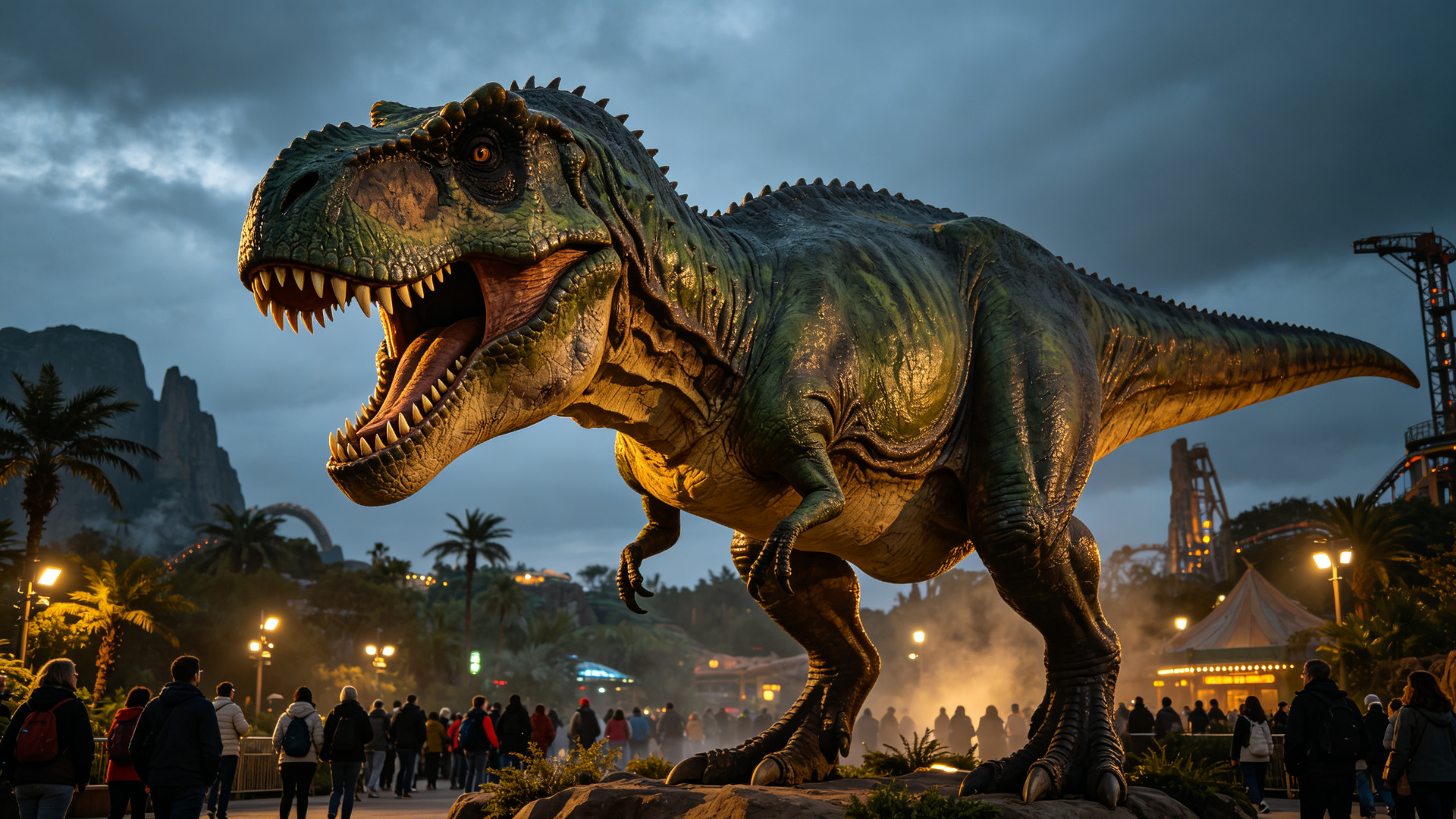
Place your largest, most impressive dinosaur (usually a T-Rex or Brachiosaurus) in the main center court, visible from the main entrance and multiple mall corridors. This creates the "wow" first impression that makes people stop, take photos, and start exploring. The dinosaur acts as a beacon drawing visitors deeper into the mall.
Strategy 2: Dinosaur Trail (Distribute Traffic)
For larger malls, place multiple dinosaurs in a trail that winds through different sections of the mall. Give visitors a "dino passport" or scavenger hunt checklist to encourage them to find all the dinosaurs. This strategy distributes foot traffic more evenly throughout the mall, benefiting retailers in every wing rather than just the central area.
Strategy 3: Anchor Promotion (Drive Sales at Specific Locations)
Place dinosaurs near underperforming wings or retailers that need a traffic boost. A dinosaur placed at the end of a quieter corridor will draw foot traffic past all the stores in between. This is an excellent strategy for activating dead zones in the mall or promoting new store openings.
Strategy 4: Event Space Takeover (Ticketed or Free)
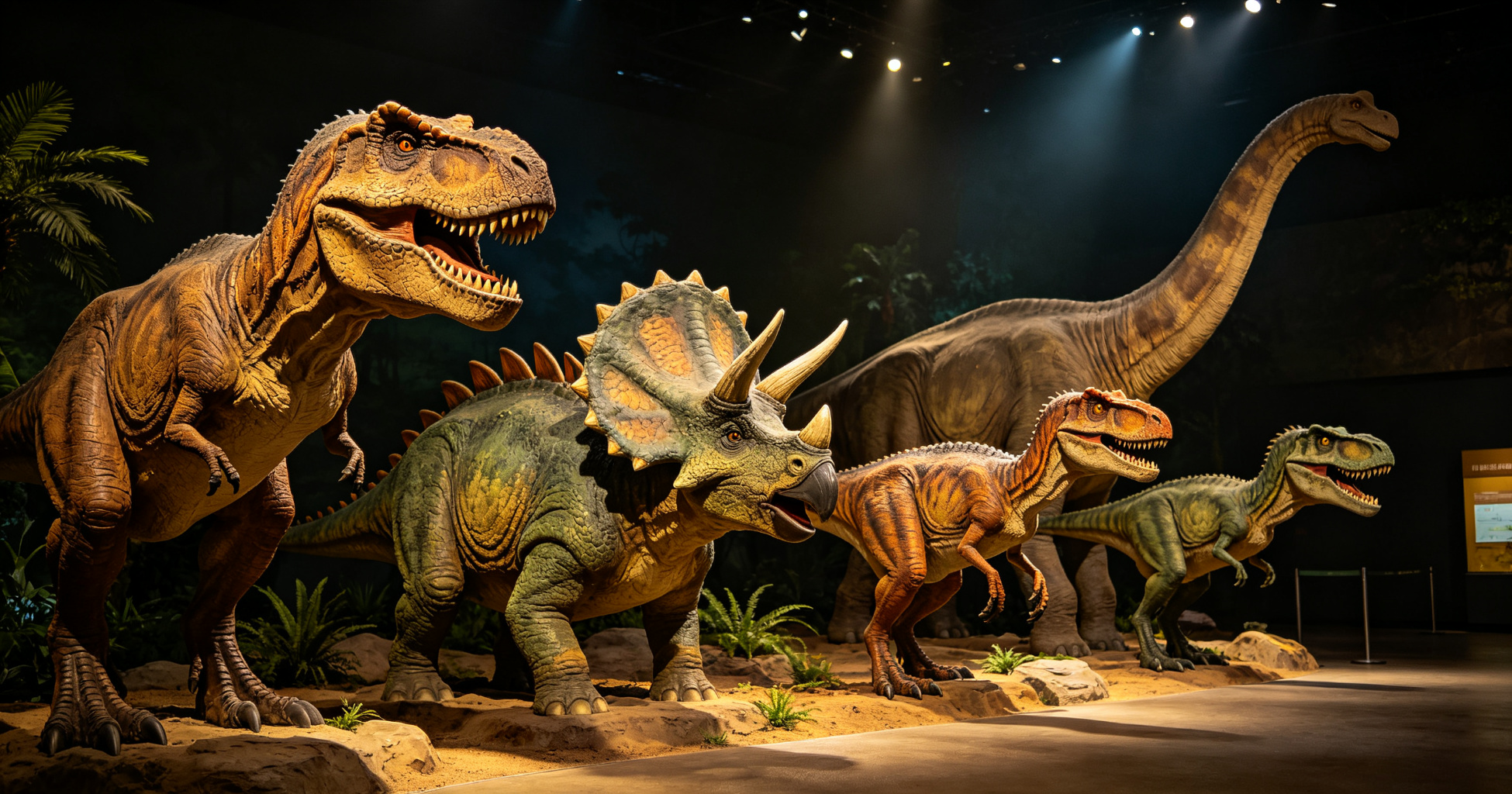
For larger exhibitions, take over a vacant anchor store space or event hall and create a full dinosaur attraction — either free with mall purchase or ticketed. This generates direct revenue from ticket sales while also driving mall traffic. Ticketed dinosaur exhibits in malls typically attract 5,000-20,000 visitors over a 6-8 week run.
Marketing and Promotion
Even the best dinosaur exhibit needs marketing to reach its full potential. Plan your marketing strategy alongside the exhibit planning:
- Social media teaser campaign: Start posting teasers 2-3 weeks before the exhibit opens. Behind-the-scenes setup footage, dinosaur silhouettes, and countdown posts build anticipation.
- Local media outreach: Dinosaur exhibits are catnip for local TV news, newspapers, and family bloggers. Pitch the story and invite media for a preview day.
- School and daycare partnerships: Offer discounted or free school group visits during weekdays when mall traffic is lighter.
- Retailer tie-ins: Work with mall retailers to create dinosaur-themed promotions — dinosaur toys at the bookstore, dinosaur-shaped treats at the food court, dinosaur sales at clothing stores.
- Photo contest: Run a social media photo contest with the dinosaurs. Offer mall gift cards as prizes. This generates hundreds of user-generated posts.
Operational Considerations for Malls
- Sound levels: Indoor mall environments require careful sound level management. Dinosaur roars should be audible but not deafening — 70-75 dB at typical viewing distance is appropriate. Always test sound levels in the actual space before opening to the public.
- Space requirements: Each dinosaur needs display space plus safety barriers and viewing room. As a rule of thumb, plan for 15-30 square meters of display area per medium-size dinosaur.
- Safety barriers: Glass or acrylic barriers are ideal for indoor mall use — they provide safety while maintaining clear photo views. Allow at least 1.5 meters of clearance between the barrier and any moving parts.
- Power access: Most mid-size dinosaurs require a standard 220V outlet. Place dinosaurs near existing power outlets to minimize visible wiring.
- Staffing: At minimum, have one staff member or security guard assigned to the dinosaur area during peak hours to enforce safety rules and answer questions. For ticketed exhibits, you will need ticket takers, exhibit guides, and exit staff.
- Flooring protection: If installing on finished mall floors, use protective floor mats under the dinosaur base to prevent damage.
ROI Calculation
How do you know if a mall dinosaur exhibit is worth the investment? Here is a simple way to estimate ROI:
Cost side: Rental or purchase cost of the dinosaurs, plus installation, marketing, and staffing. A typical 6-week mall dinosaur exhibit with 3-5 dinosaurs costs approximately $15,000-40,000 depending on scope and whether you rent or buy.
Benefit side: Estimate the increased sales across mall retailers, increased parking revenue, increased food court revenue, and any ticket revenue. Even a modest 10% sales lift across adjacent retailers typically generates far more revenue than the exhibit costs.
As a very rough benchmark, mall operators report that every dollar spent on a quality dinosaur exhibition returns $3-8 in increased sales and parking revenue across the mall. Results vary by market, mall size, and marketing effort, but the direction is consistently positive.