Allosaurus: The Lion of the Jurassic
Allosaurus fragilis is one of the most famous and best-known large theropod dinosaurs, and for good reason. It was the apex predator of the Late Jurassic Period, approximately 155-145 million years ago, and its fossils are found across western North America and potentially Europe and Africa. Often called the 'lion of the Jurassic,' Allosaurus was the top predator of its time, hunting large herbivorous dinosaurs like Stegosaurus, Apatosaurus, and Diplodocus. It is a staple of natural history museums and dinosaur parks worldwide and always draws a crowd.
Biology and Key Features
Allosaurus has several distinctive features that make it instantly recognizable:
- Size: A typical Allosaurus was 8.5-12 meters long, 3-4 meters tall at the hips, and weighed 1.5-2.5 metric tons. Large individuals could reach 12+ meters long.
- Skull: Long, narrow, and relatively lightweight for its size, with large fenestrae (openings) that reduced weight while maintaining strength. The jaws had a very wide gape.
- Teeth: Serrated, blade-like teeth designed for slicing flesh. Allosaurus teeth are commonly found as fossils — the animals continually shed and replaced them throughout life.
- Arms and hands: Three-fingered hands with large, sharp claws — used for grasping prey. The arms were proportionally longer and more robust than those of T-Rex.
- Legs: Long, powerful legs built for speed and agility. Allosaurus was likely a relatively fast runner for its size.
- Horns: A pair of small horns (or crests) above and in front of the eyes — used for display, species recognition, and possibly mating contests.
Why Allosaurus Is a Perennial Favorite
Allosaurus occupies a special place in dinosaur paleontology and popular culture:
- Museum classic: Allosaurus has been known to science since 1877 and has been a museum staple ever since. It is one of the most studied of all dinosaur genera.
- Jurassic period anchor: Most dinosaur exhibits focus heavily on the Late Cretaceous (T-Rex, Triceratops). Allosaurus adds a Jurassic period anchor that extends the temporal narrative.
- Balanced design: It is large and impressive but not so enormous that it is impractical — the perfect size for many venues.
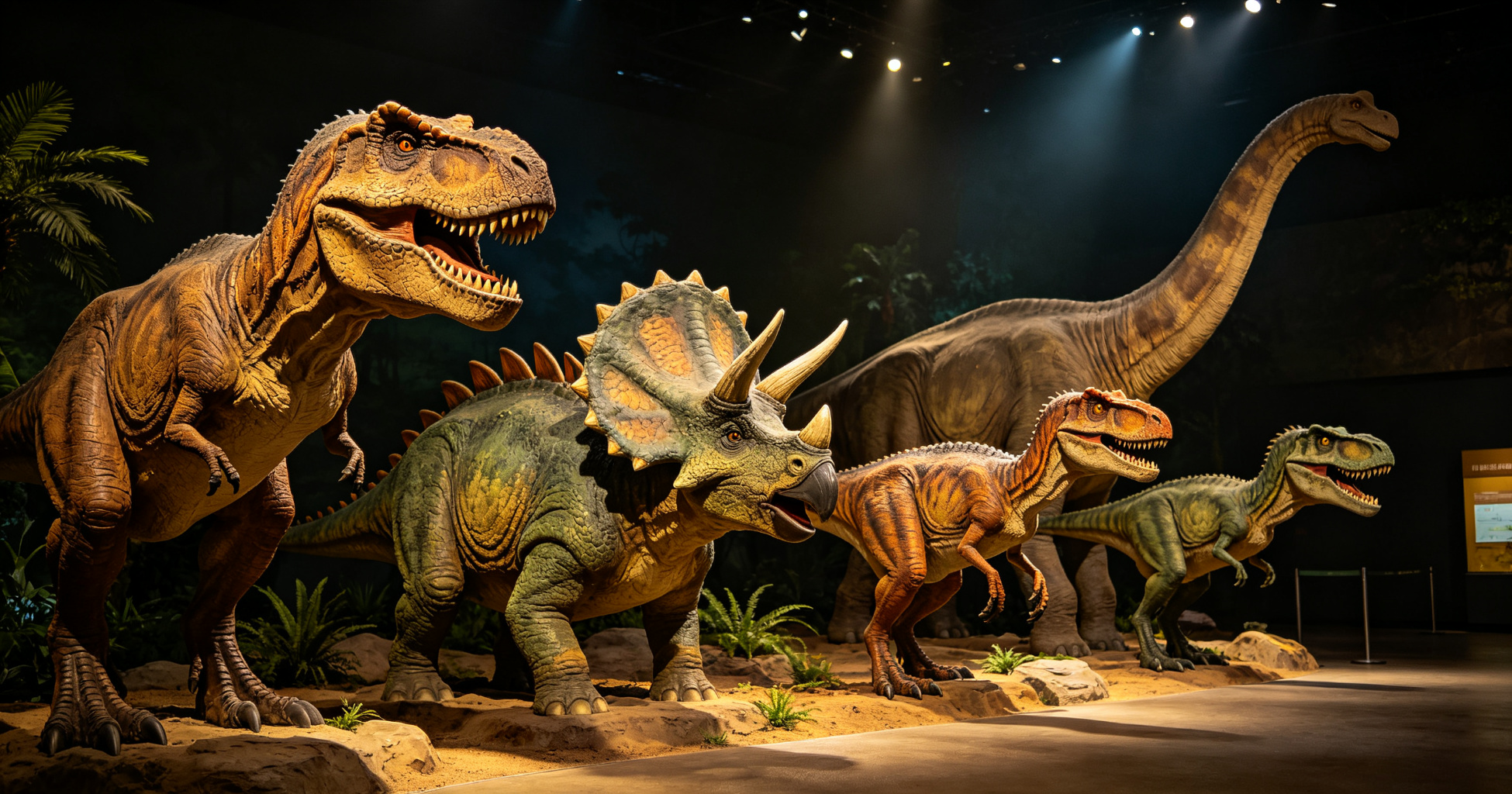
- Predator-prey pairings: Allosaurus pairs beautifully with Stegosaurus, Apatosaurus, and other Jurassic herbivores for classic predator-prey dioramas.
- Strong scientific record: We know more about Allosaurus than almost any other large theropod, thanks to abundant fossils including the famous Cleveland-Lloyd Dinosaur Quarry with its concentration of Allosaurus remains.
Allosaurus Pose and Display Options
Allosaurus animatronics work beautifully in a variety of poses and display scenarios:
- Roaring pose: Head thrown back, mouth wide open, roaring to the sky. The classic Allosaurus display — dramatic and instantly recognizable.
- Hunting pose: Crouched, forward-leaning, eyes on prey. Conveys the predator in action.
- Cliff/rock pose: Perched on a rock outcrop or cliff edge, surveying its territory. Makes great use of elevated terrain features.
- Predator-prey faceoff: Allosaurus facing off against a Stegosaurus or sauropod — the classic Jurassic confrontation.
- Pack / pair display: Two Allosaurus together — Allosaurus may have hunted in groups, making this both scientifically plausible and visually impressive.
- Swamp / wetland scene: Allosaurus in a swampy, wetland environment — referencing the wet Jurassic environments it inhabited.
Movement Configurations
SAGE Allosaurus animatronics include these standard movements:
- Mouth open/close with roar synchronization
- Head turn left/right with fluid neck articulation
- Head up/down (roaring and feeding motions)
- Eyes blink
- Body breathing and weight shift
- Tail sway — long, powerful tail used for balance
- Arm/hand movement — grasping and raking motions
- Walking leg movement on premium models — full locomotion with realistic gait
Size Ranges and Pricing
Allosaurus animatronics are available in multiple sizes:
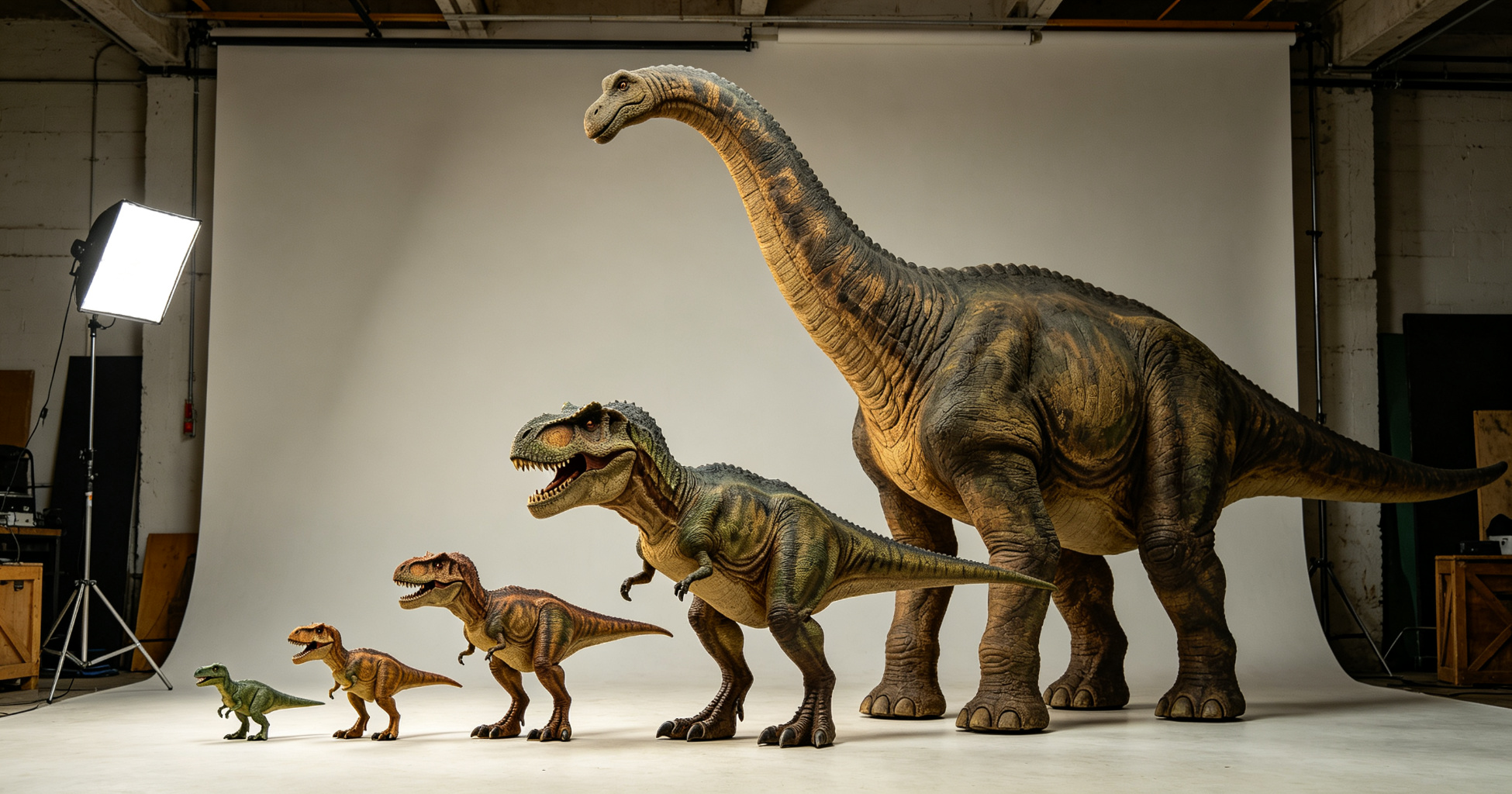
- Small (3-5m): Juvenile or compact models for indoor exhibits. Budget: $3,500 - $9,000.
- Medium (6-8m): Life-size or near-life-size adults. The most popular size for standard exhibit trails. Budget: $11,000 - $23,000.
- Large (9-12m): Full-size adult Allosaurus for major attractions and high-visibility locations. Budget: $26,000 - $48,000.
Why Add Allosaurus to Your Collection?
If your collection is heavy on Cretaceous dinosaurs (T-Rex, Triceratops, Velociraptor), adding Allosaurus is one of the best ways to extend the temporal range of your exhibit and add a Jurassic period anchor. It is scientifically important, visually impressive, and works well both as a standalone piece and in dioramas with other Jurassic species. For museums and educational venues especially, Allosaurus is an essential species that helps tell the full story of dinosaur evolution and diversity across time periods.
Ready to Add Allosaurus to Your Exhibit?
Browse SAGE's full Allosaurus product lineup or contact our team for custom Allosaurus configurations and Jurassic period exhibit design.