Triceratops — the three-horned, frilled herbivore of the Late Cretaceous — is consistently the second most popular animatronic dinosaur species worldwide, and the most popular herbivore by a wide margin. Its distinctive silhouette, friendly appearance, and cross-generational appeal make it a staple of dinosaur attractions everywhere. This guide covers everything you need to know about Triceratops animatronic models.
Meet Triceratops: The Three-Horned Wonder
Triceratops horridus lived approximately 68–66 million years ago in what is now western North America. It was one of the last non-avian dinosaurs before the Cretaceous-Paleogene extinction event. Key facts:
- Size: Up to 9 meters long, 3 meters tall, and 6–12 metric tons — about the size of an African elephant.
- Diet: Herbivore, feeding on low-growing plants such as ferns, cycads, and palms. Its beak-like mouth and shearing teeth were perfectly adapted for processing tough vegetation.
- Distinguishing features: Three facial horns (two brow horns, one nose horn), a large bony frill protecting the neck, and a bulky, quadrupedal body.
- Behavior: Believed to have been herd animals that may have used their horns and frills for defense against predators like T-Rex, as well as for display and mating rituals.
Why Triceratops Is So Popular for Attractions
Triceratops occupies a unique niche in dinosaur popularity — it is instantly recognizable, visually dramatic, and approachable all at the same time:
- Universal recognition: Triceratops is one of the few dinosaurs that virtually everyone can name on sight.
- Family-friendly: Unlike the intimidating T-Rex, Triceratops has a friendly, approachable quality that appeals especially to young children and families.
- Photo-friendly: The three horns and big frill make for instantly identifiable photos. Families love posing with Triceratops.
- Balances predator-heavy lineups: Every good dinosaur exhibit needs herbivores to balance the carnivores and tell a more complete ecological story.
- Educational value: Triceratops is a perfect species for teaching about herbivorous dinosaurs, defense adaptations, and Late Cretaceous ecosystems.
Triceratops Size Variants and Configurations
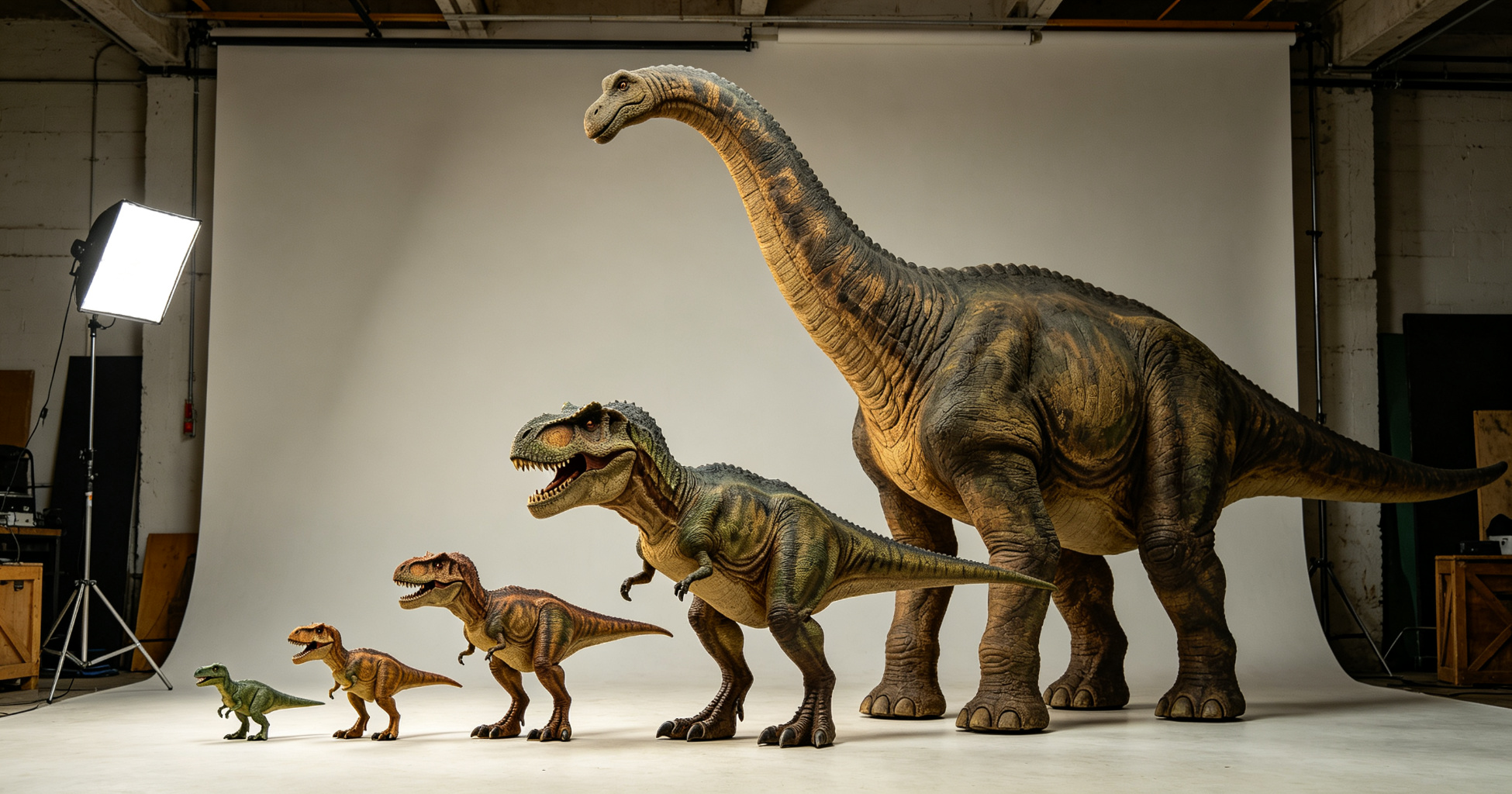
SAGE offers Triceratops animatronics in multiple sizes to fit different venue scales:
- Small (2-4m): Juvenile Triceratops models for indoor displays, children's areas, and compact exhibits. Budget: $2,500 – $7,000.
- Medium (5-7m): Life-size adult Triceratops for standard exhibit trails, museum halls, and mid-size parks. Budget: $10,000 – $22,000.
- Large (8-10m): Oversized statement pieces for high-visibility locations. The bigger the frill, the bigger the visual statement. Budget: $25,000 – $45,000.
Pose Options: Standing, Charging, Grazing, and More
One of the advantages of Triceratops is that it works beautifully in multiple poses, each creating a different mood:
- Standing alert: The classic pose — head up, scanning the environment. Versatile and works in any setting.
- Charging pose: Head down, horns forward, legs in mid-stride. Creates dynamic action scenes, especially when paired with a predator.
- Grazing pose: Head lowered, feeding on plants. Great for creating calm, naturalistic scenes.
- Mother and baby: Adult Triceratops with a juvenile — perfect for family-focused exhibits and educational messaging about parental care.
- Defensive pose: Facing off against a T-Rex or other predator. Creates dramatic narrative displays that hold visitor attention.
Standard and Premium Movements
SAGE Triceratops models come with these standard movements:
- Mouth open/close with vocalization
- Head turn left/right
- Head up/down (grazing motion)
- Eyes blink
- Body breathing
- Tail sway
- Ear/frill subtle movement on premium models
Premium options include: interactive sensor triggering, custom color patterns, sound library customization, and LED eye lighting for evening displays.
Pairing Triceratops with Other Dinosaurs
Triceratops works beautifully in combination with other species. Classic pairings include:
- T-Rex vs. Triceratops: The iconic predator-prey faceoff. The single most popular dinosaur diorama combination worldwide.
- Triceratops herd: Multiple Triceratops of different sizes create the impression of a herd. Great for wide-open exhibit spaces.
- Triceratops + other herbivores: Pair with Edmontosaurus, Ankylosaurus, or other herbivores for a Late Cretaceous herbivore community scene.
Ready to find the perfect Triceratops for your attraction? Browse our Triceratops product lineup or contact our team for a customized recommendation.