After the Dinosaurs: The Age of Mammals
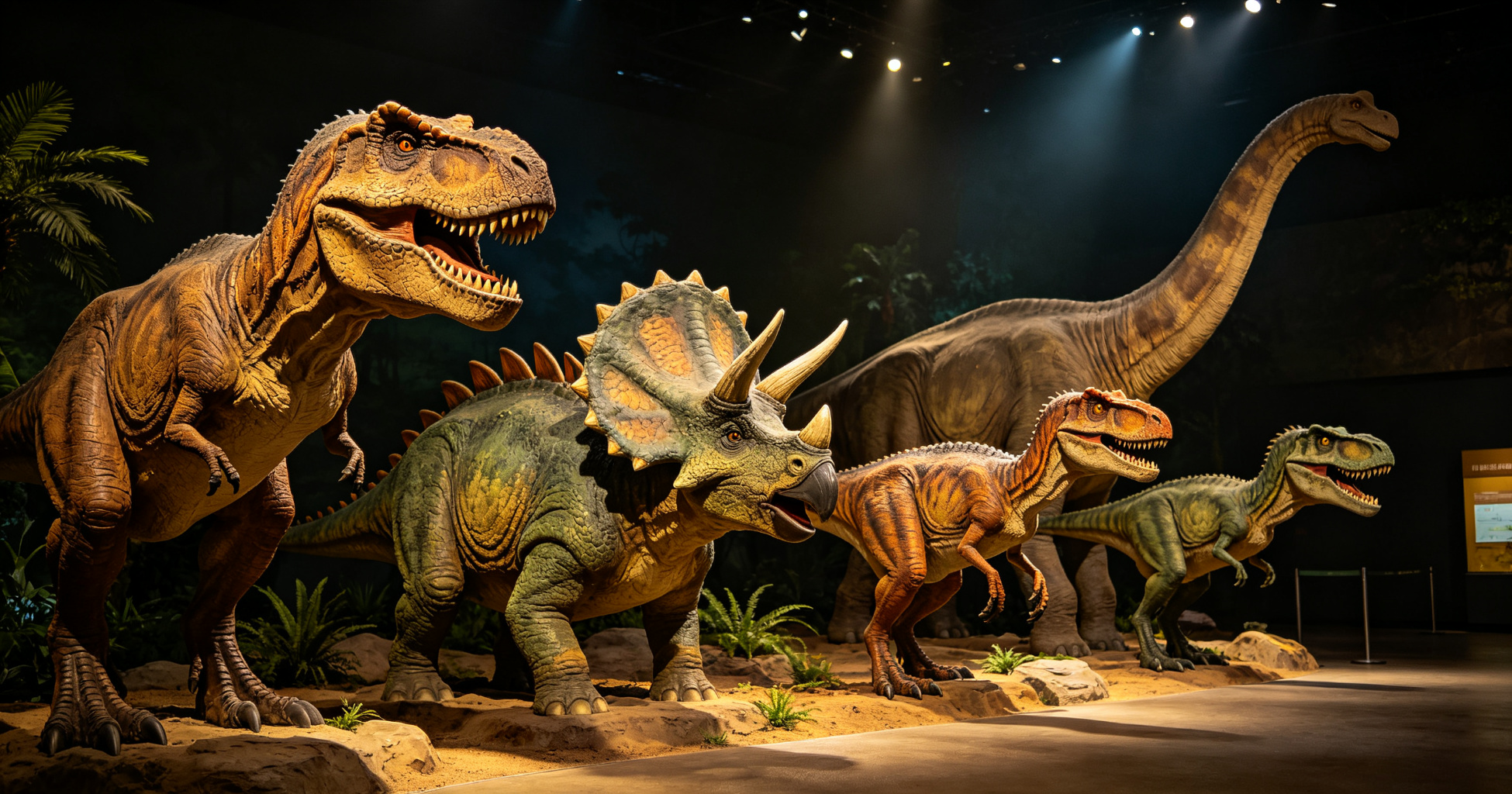
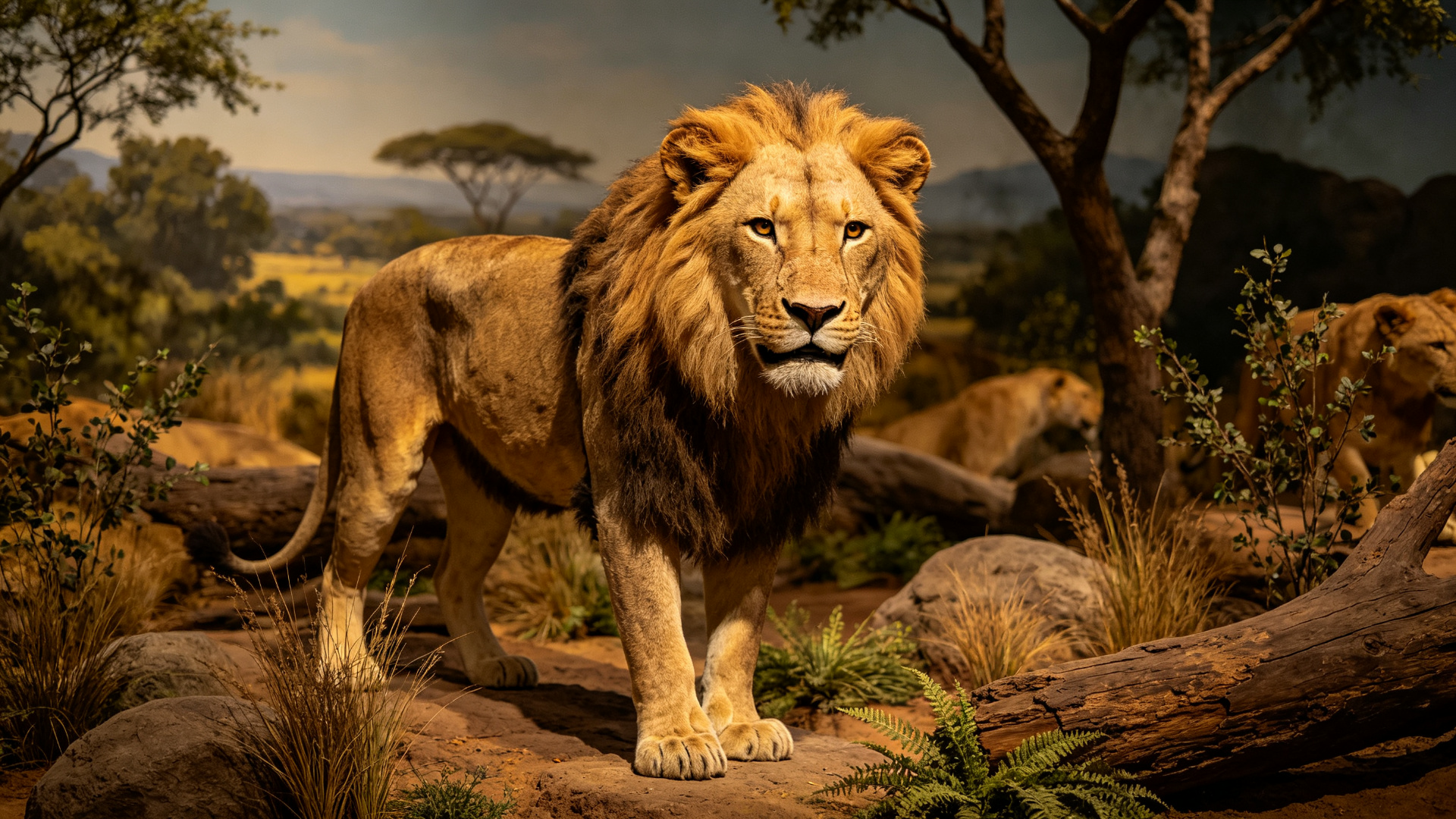
The dinosaurs get all the attention, but the 66 million years after the dinosaur extinction — the Age of Mammals — produced some of the most spectacular creatures ever to walk the Earth. From woolly mammoths and saber-toothed cats to giant ground sloths and terror birds, prehistoric mammal animatronics bring the Ice Age and beyond to life, and they are perfect for museums, zoos, and attractions looking to expand beyond dinosaurs.
Popular Prehistoric Mammal Species
Some of the most popular prehistoric mammals for animatronic displays:
- Woolly Mammoth: The ice age icon — a huge, shaggy elephant relative with long curved tusks. Instantly recognizable and universally popular.
- Saber-toothed Cat (Smilodon): The famous 'saber-tooth tiger' with enormous canine teeth. A fierce predator that appeals to the same audience as T-Rex.
- Giant Ground Sloth (Megatherium): A massive, bear-sized sloth that stood on its hind legs to reach leaves. Unexpected and fascinating for most visitors.
- Woolly Rhinoceros: The ice age rhino — shaggy, horned, and perfectly adapted for cold climates. A great companion piece for mammoths.
- Dire Wolf: A larger, more robust relative of modern wolves. Popular thanks to cultural references but genuinely impressive in its own right.
- Giant Short-Faced Bear: The largest bear ever to live — towering over modern grizzlies. A genuine 'wow' animal that most people have never heard of.
- Terror Bird (Phorusrhacos): Giant flightless predatory birds of South America. Bizarre, intimidating, and utterly unique.
- Deinotherium: A bizarre prehistoric elephant with downward-curving tusks from its lower jaw. Perfect for surprising visitors who think they know prehistory.
Why Prehistoric Mammals Deserve a Place in Your Exhibit
Adding prehistoric mammals to your dinosaur exhibit offers real benefits:
- Evolutionary storytelling: Mammals are the perfect 'after the dinosaurs' chapter — they complete the story of life on Earth and connect deep time to the present day.
- Fur and different textures: After a hall full of scaly dinosaurs, furry mammals provide visual and tactile contrast that makes the whole exhibit more varied and interesting.
- Connection to living animals: Mammoths are clearly related to elephants, saber-tooths to cats, ground sloths to modern sloths. Visitors can see the family resemblance, which deepens the educational experience.
- Ice age theme: A separate ice age zone or exhibit gives you a whole new marketing hook and seasonal programming opportunity.
- Broad appeal: Mammoths, in particular, have broad cross-cultural appeal — they are beloved around the world.
Fur Technology: The Key to Realistic Mammal Animatronics
Realistic fur is what makes or breaks a mammal animatronic. SAGE uses several fur technologies depending on the animal and budget:
- Premium hand-laid fur: The highest quality option. Individual fur fibers are hand-laid and hand-trimmed to match the animal's natural coat pattern. The result looks indistinguishable from real fur on camera and at close range.
- Plush / faux-fur skin: High-quality synthetic fur bonded to a flexible backing. More affordable than hand-laid fur and works well for medium-distance viewing.
- Mixed technique: Combination of hand-laid fur on critical areas (face, head, mane) with plush fur on body and less visible areas. Balances quality and cost.
- Fur color and pattern customization: Any color, any pattern — match a specific reference or create a custom look for your exhibit.
- Weather-resistant fur: Outdoor models use UV-stabilized fur fibers that resist fading and weathering. Special treatments repel water and dirt.
Trunk and Facial Movement
For proboscideans (mammoths, mastodons, elephants), the trunk is the most expressive feature:
- Multi-segmented trunk: Premium models have a trunk with multiple independently controlled segments, allowing realistic curling, reaching, and grasping movements.
- Trunk tip detail: The 'fingers' at the end of the trunk can move individually for fine manipulation.
- Tusk attachment: Tusks are securely mounted to the skull structure and move naturally with head movements.
- Ear movement: Flapping ears are a signature elephant/mammoth behavior — great for cooling and communication displays.
- Facial expression: Moving lips, cheeks, and eyebrows create surprisingly expressive faces.
Display Ideas
Prehistoric mammal animatronics shine in these contexts:
- Ice Age zone: A dedicated ice age exhibit with mammoths, woolly rhinos, saber-tooths, and reindeer — with snow and ice scenic elements.
- Evolution corridor: A chronological walk-through from dinosaurs through the rise of mammals to modern animals — a powerful educational narrative.
- Zoo integration: Place prehistoric mammal animatronics near their living relatives. A mammoth near elephant enclosure, a saber-tooth near big cats — creates a powerful 'then and now' experience.
- Mammoth herd scene: Multiple mammoths of different ages and sizes — a matriarch, juveniles, a baby — creating a complete herd scene.
- Tar pit diorama: Mammoths and other ice age animals in and around a tar pit scene — a classic natural history museum display.
- Winter/holiday attraction: Mammoths make fantastic winter holiday features — shaggy, snowy, and festive without being kitschy.
Maintenance of Furry Animatronics
Furry animatronics have different maintenance needs than scaly dinosaurs:
- Regular brushing: Fur needs regular brushing to stay clean and well-groomed, especially in dusty or outdoor environments.
- Spot cleaning: Stains and dirt spots should be cleaned promptly with appropriate cleaners to avoid setting in.
- Annual deep cleaning: Once a year, the fur should be thoroughly cleaned and conditioned to maintain its appearance and longevity.
- Fur repair: Damaged or worn fur areas can be patched and re-blended by our technicians.
- UV protection: Outdoor furry models should be inspected annually for sun fading, and re-treated or re-furred as needed.
Ready to Add Prehistoric Mammals to Your Collection?
Prehistoric mammals are an excellent way to expand your attraction's offerings and tell a richer story about life on Earth. Browse SAGE's prehistoric mammal catalog, or contact our team to discuss custom ice age exhibit concepts.