Dinosaur Rides: Where Entertainment Meets Revenue
Dinosaur rides are among the highest-ROI additions you can make to a park, family entertainment center, or attraction. They combine the universal appeal of dinosaurs with the interactive fun of a ride, creating an experience that kids beg their parents for and that generates direct per-ride revenue. This guide covers everything park operators need to know about selecting, installing, and operating dinosaur ride equipment.
Types of Dinosaur Rides
SAGE offers several categories of dinosaur rides, each suited to different venues and business models:
- Walking / riding dinosaur rides: Large animatronic dinosaurs that one or two riders can sit on and control. The classic 'dinosaur ride' experience — the rider steers and the dinosaur walks around. Available in many species and sizes.
- Scooter / kiddie dinosaur rides: Smaller, lower-speed dinosaur scooters for younger children. Typically coin-operated or token-operated, perfect for malls and arcades.
- Carousel-style dinosaur rides: A rotating platform with multiple dinosaur seats. High throughput, great for high-traffic locations.
- Dinosaur train rides: Track-based trains with dinosaur-themed cars. Excellent for transporting guests around large parks while adding to the theme.
- Interactive dinosaur rides: Rides that incorporate shooting games, treasure hunts, or other interactive elements. Higher engagement and longer ride times.
- Egg ride vehicles: Egg-shaped ride vehicles with dinosaur themes. Compact and suitable for indoor and outdoor use.
Safety Standards and Certifications
Safety is non-negotiable when it comes to amusement rides. SAGE dinosaur rides meet rigorous international safety standards:
- CE certification: All rides conform to EU safety, health, and environmental requirements.
- ASTM compliance: Rides meet American Society for Testing and Materials amusement ride standards where applicable.
- Safety belt and harness systems: Every ride has age-appropriate restraint systems — lap belts for small kids, full harnesses for faster rides.
- Emergency stop: Every ride has both operator-controlled and rider-accessible emergency stop buttons.
- Speed governors: Maximum speed is mechanically and electronically limited to safe values appropriate for each ride type.
- Anti-collision sensors: Walking and scooter rides include obstacle detection sensors that stop the ride before impact.
- Weight limits: Each ride model has clearly posted weight limits and capacity ratings.
Capacity and Throughput
When evaluating a ride, one of the most important numbers is throughput — how many riders you can process per hour:
- Walking dinosaur rides: 1-2 riders per cycle, 3-5 minute cycles = roughly 12-30 riders per hour per unit. Best for premium-priced rides.
- Scooter rides: 1 rider per unit, continuous operation = 30-60 riders per hour per unit, depending on ride time settings.
- Carousel dinosaur rides: 8-20 seats, 3-4 minute cycles = 120-300 riders per hour. High throughput, lower per-ride price point.
- Dinosaur trains: 10-30 passengers per train, 8-15 minute ride = 40-225 riders per hour depending on train size.
Revenue Models
Dinosaur rides can generate revenue in multiple ways:
- Pay-per-ride: The classic model — tickets or tokens per ride. Works best in high-foot-traffic locations.
- All-inclusive / included with admission: Increases perceived value of admission and boosts overall guest satisfaction.
- Unlimited ride wristbands: Popular at indoor FECs and small parks. Encourages repeat riding and longer stays.
- Photo package add-on: Sell photos of kids on the dinosaur — a proven upsell that parents love.
- Birthday party packages: Dinosaur rides are a huge draw for birthday parties and group events.
- Merchandise tie-in: Dinosaur rides drive sales of plush dinosaurs, t-shirts, and other merchandise nearby.
Maintenance and Operations
Proper maintenance keeps rides running safely and reliably for years:
- Daily pre-operation inspection: Check all safety restraints, controls, brakes, and emergency systems before each day of operation.
- Weekly cleaning and lubrication: Keep tracks, wheels, and moving parts clean and properly lubricated.
- Monthly electrical check: Inspect all wiring, connectors, batteries, and charging systems.
- Annual professional service: Have a qualified technician perform a full mechanical and electrical inspection annually.
- Battery maintenance: Most walking and scooter rides are battery-powered. Proper battery care dramatically extends battery life.
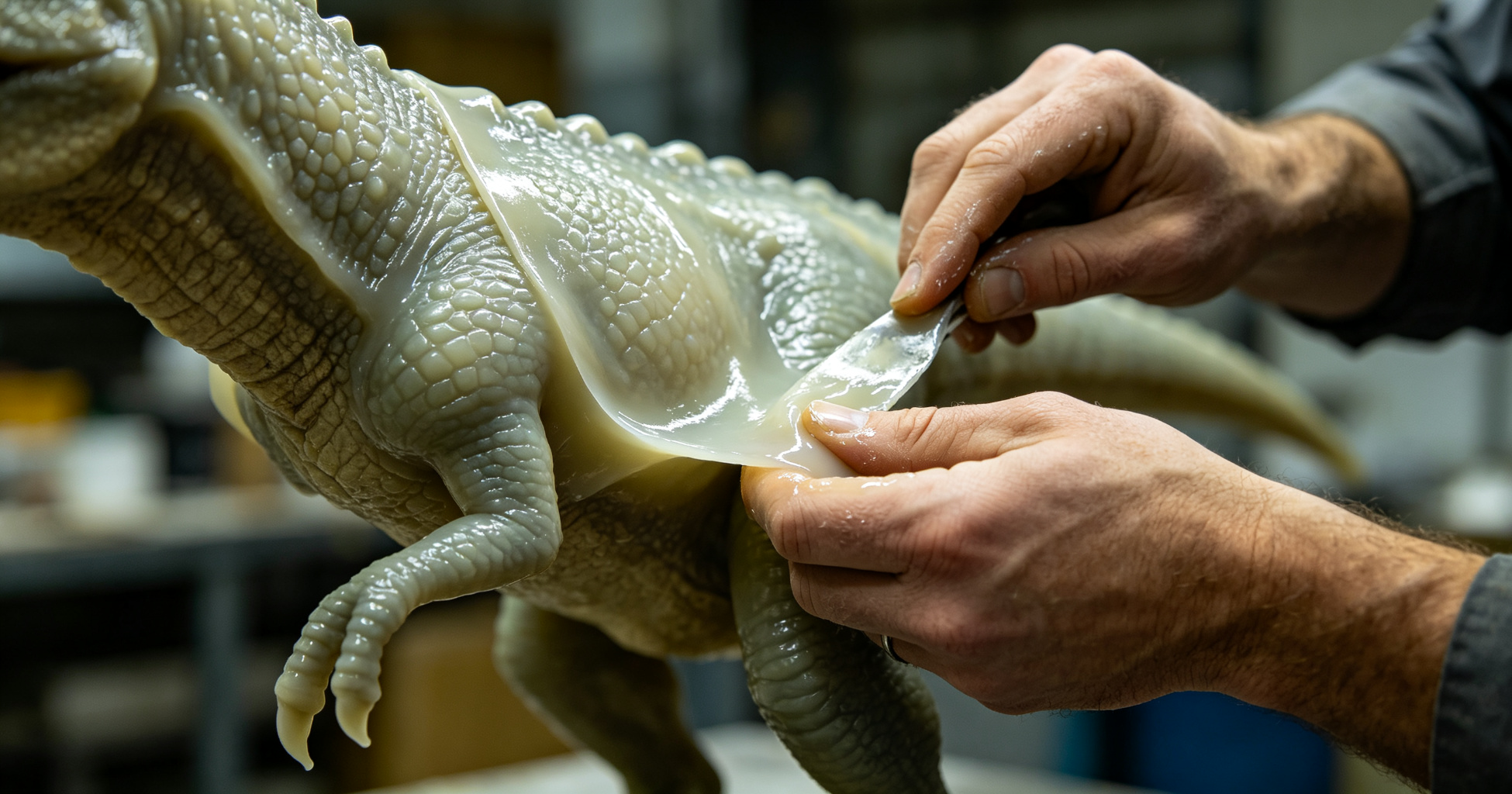
- Skin and cosmetic care: Clean the dinosaur skin regularly and touch up any scuffs or damage promptly to prevent deterioration.
ROI: How Fast Do Dinosaur Rides Pay for Themselves?
Dinosaur rides are one of the fastest-payback attractions in the industry. A typical walking dinosaur ride priced at $5 per ride, running 40 riders per day, 300 days per year, generates $60,000 in annual revenue. With operating costs of roughly $5,000-10,000 per year, the payback period is typically well under a year. For high-traffic locations like major malls and popular parks, payback can be measured in months.
Choosing the Right Ride for Your Venue
The best dinosaur ride for you depends on your venue type, audience demographics, available space, and budget. Contact SAGE's ride specialists for a free recommendation based on your specific situation. We can help you select the right models, quantities, and revenue model to maximize your return on investment.