Animatronic giraffe models bring the world's tallest land animal to life with incredible height, graceful neck movements, and long tongue extension. Explore the engineering challenges of tall exhibits and savanna display design.
The Tallest Animal on Earth
The giraffe is the tallest land animal in the world — and an animatronic giraffe is one of the most visually striking displays you can create. Standing 5-6 meters tall (or more for oversized models), a giraffe is visible from far away and immediately draws visitors toward your exhibit. Beyond its height, the giraffe's distinctive coat pattern, long neck, and graceful movements make it a perennial favorite in wildlife parks, zoos, and themed attractions.
Giraffe Biology and Anatomy
Giraffes have several unique anatomical features that make them fascinating subjects:
- Height: Adult giraffes stand 4.6-6 meters tall — with males being taller than females. The tallest recorded giraffe was 5.88 meters (nearly 20 feet).
- Neck: The giraffe's neck is 1.8-2.5 meters long — but it has only 7 neck vertebrae, the same number as humans. Each vertebra is greatly elongated.
- Coat patterns: Each giraffe has a unique coat pattern — like a human fingerprint. Different subspecies have different pattern styles: reticulated (sharp-edged polygonal shapes), Masai (irregular, jagged-edged spots), and more.
- Legs: Long, slender but incredibly strong legs. A giraffe's kick can kill a lion. The legs are about 1.8 meters long — longer than most people are tall.
- Tongue: The giraffe's tongue is 45-50 cm long, dark purple/blue-black in color (to prevent sunburn), and prehensile — perfect for stripping leaves from trees.
- Heart: Giraffes have an enormous heart — weighing up to 11 kg — to pump blood all the way up to the brain against gravity.
- Ossicones: The 'horns' on a giraffe's head are called ossicones — they are made of bone and covered in skin and fur. Both males and females have them.
Movement and Animation
Quality animatronic giraffes include these distinctive movements:
- Neck movement: The long neck moves with slow, graceful curves — bending, reaching, and swaying. Premium models have 4+ neck segments for fluid, realistic motion.
- Head movement: The head turns, tilts, and nods — often with slow, deliberate movements that emphasize the giraffe's height and grace.
- Tongue extension: The long, dark tongue extends and curls around imaginary leaves — one of the most distinctive and memorable giraffe behaviors.
- Mouth chewing: Slow, deliberate chewing with side-to-side jaw movement, just like a real giraffe browsing on leaves.
- Eyes blink and look: Large, expressive eyes with long eyelashes. Subtle eye movement adds life.
- Ears twitch: Giraffes have large ears that rotate and twitch to detect sounds.
- Tail swish: The long tail with a dark tuft at the end swishes to swat flies — a small but important detail.
- Body breathing: Slow, deep breathing with visible rib movement.
- Leg walking / weight shift on premium models: Slow, deliberate gait with the distinctive giraffe pacing movement.
The Engineering of Height
Building a 5+ meter tall animatronic presents unique engineering challenges:
- Structural integrity: The neck and legs are long lever arms that create enormous forces at the joints. The internal frame must be engineered to handle these loads safely.
- Balance: With most of the height and weight concentrated in the upper body, balance is critical. The center of gravity must stay safely within the support base of the legs.
- Wind load: A tall, broadside giraffe catches a lot of wind. Outdoor installations need careful wind engineering and may need ground anchoring or additional bracing.
- Access for maintenance: The upper parts of a 6-meter giraffe are not easily reachable from the ground. The design must include access panels and maintenance points that are serviceable from a ladder or lift.
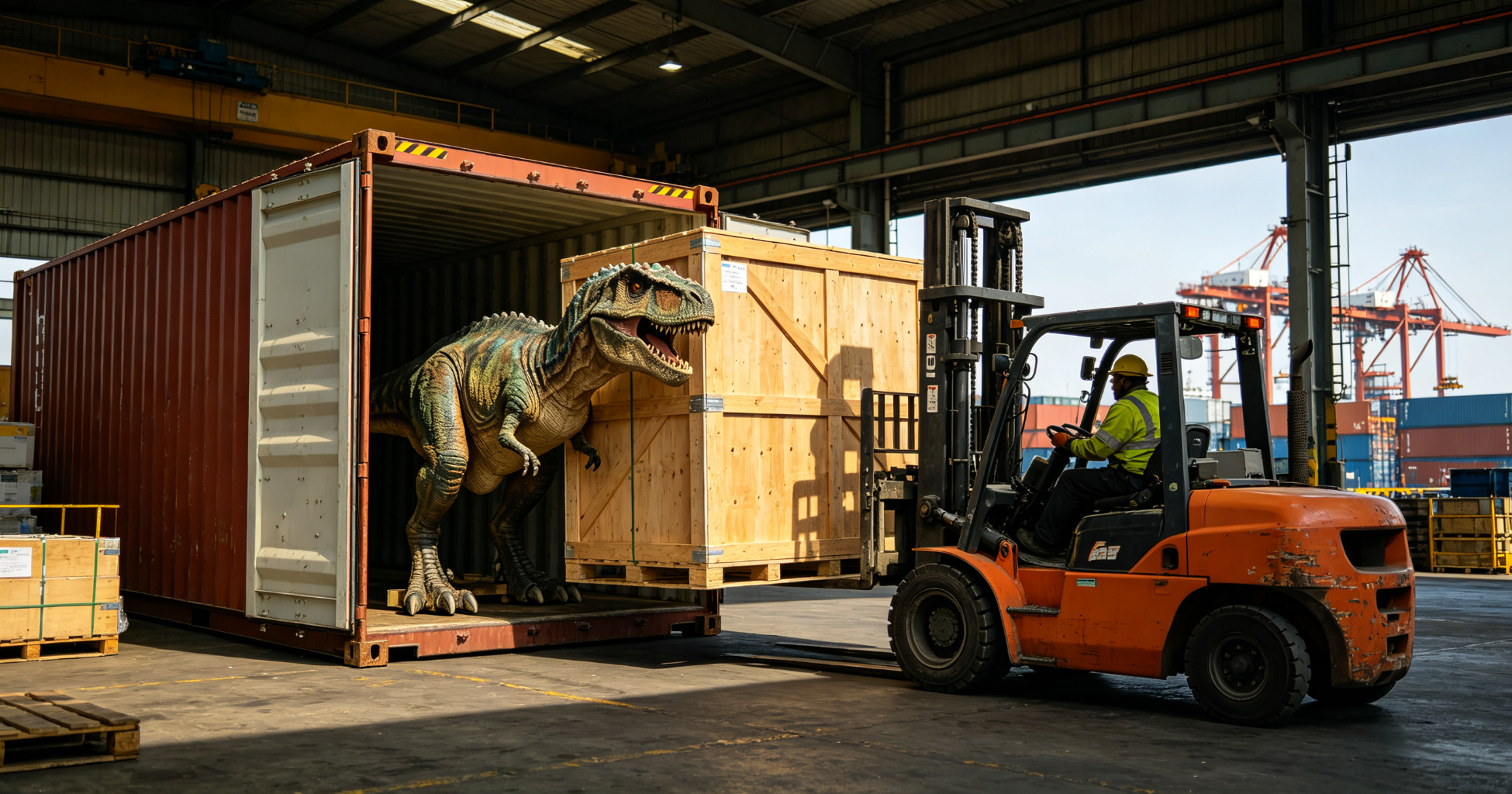
- Transportation: A 6-meter giraffe is too tall to ship in one piece. Quality models are designed to break down into sections (legs, body, neck, head) for shipping and reassembly on site.
- Foundation: The ground or floor under the giraffe must support the weight without settling. Outdoor installations typically need a concrete foundation pad.
Coat Pattern and Color
Giraffe patterns are both beautiful and scientifically interesting:
- Subspecies variation: Reticulated giraffes have clean, sharp-edged, polygonal shapes on a cream background. Masai giraffes have irregular, dark, jagged-edged spots. Rothschild's giraffes have paler, more rounded spots with no markings below the knees.
- Color range: Coat colors range from almost white to very dark brown. Color can vary with age, diet, and the local environment.
- Pattern uniqueness: Every giraffe is unique — just like human fingerprints. We design each animatronic giraffe with a unique pattern — we never repeat the same pattern twice.
- Hand-painted details: Premium giraffe models have hand-painted coat patterns with subtle color variation, edges, and texture — no stenciled or printed patterns.
Display Ideas and Applications
Giraffe animatronics work beautifully in many contexts:
- Savanna entrance feature: A giraffe standing at the entrance of a savanna or African-themed zone is visible from far away and immediately sets the mood.
- Feeding from trees: Giraffe with its neck extended into the branches of an acacia tree — the classic giraffe pose. The long tongue reaching for leaves is particularly captivating.
- Herd display: 2-3 giraffes of different heights — a male, a female, and a calf. Shows social structure and size variation.
- Predator-prey: Giraffe with lions nearby — showing the dynamic between predator and prey on the African savanna.
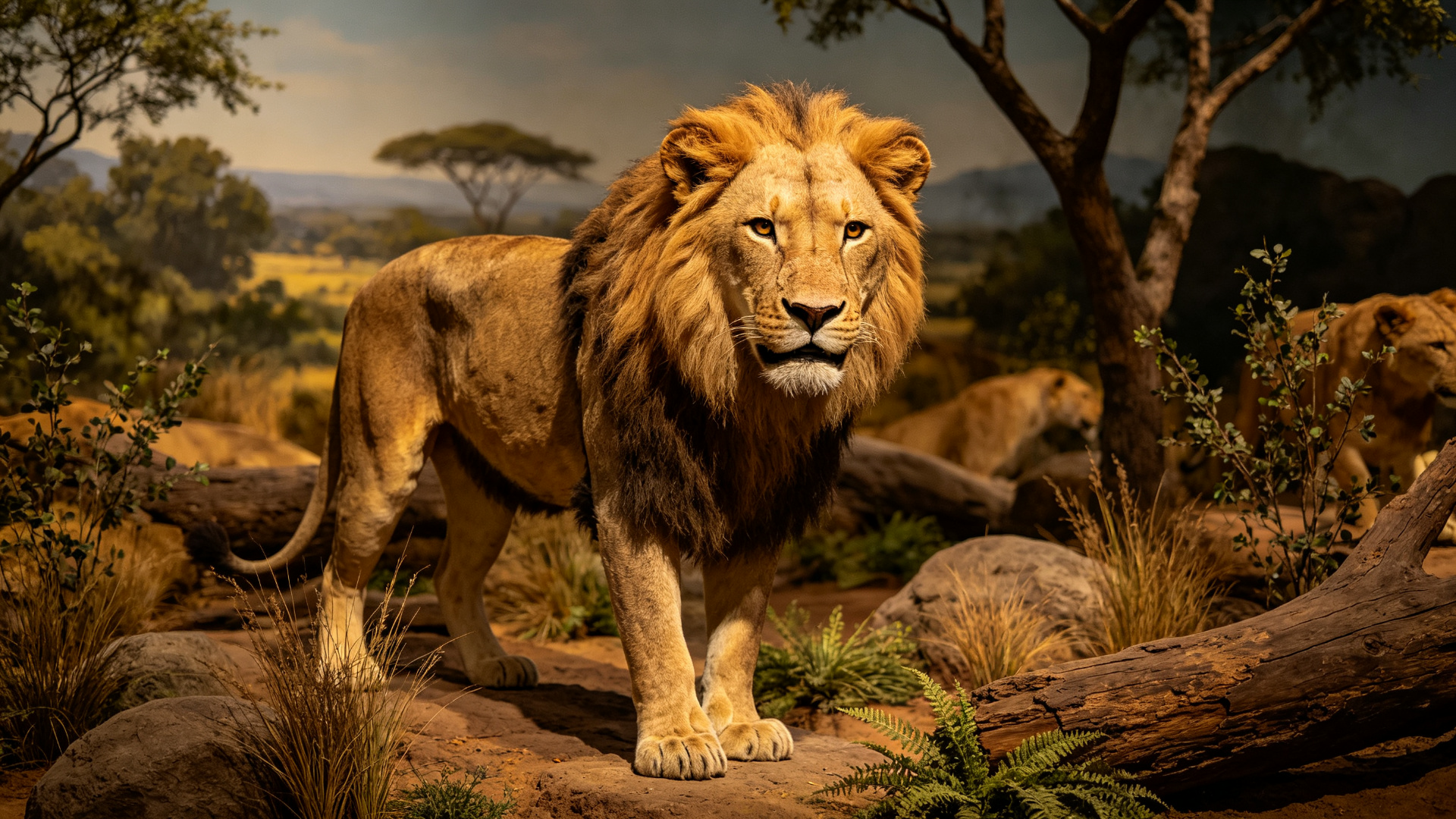
- Mixed African savanna: Giraffe alongside zebras, elephants, antelopes, and lions — a complete African ecosystem display.
- Zoo and wildlife park: Animatronic giraffes can supplement live giraffe exhibits, especially for demonstrating behaviors like tongue use and feeding that visitors rarely see in real animals.
- Photo opportunity: Giraffes are incredibly photogenic. A well-positioned giraffe with a 'bend down' pose for photos is a guaranteed hit.
Size Ranges and Pricing
Animatronic giraffe models are available in multiple sizes:
- Small (3-4m): Juvenile or compact adult giraffe. Good for indoor displays. Budget: $6,000 - $14,000.
- Medium (5m): Life-size adult female giraffe. The most popular size. Budget: $16,000 - $28,000.
- Large (6-7m): Full-size bull giraffe or slightly oversized for maximum impact. Budget: $32,000 - $55,000.
- Custom herds and savanna scenes: Multi-giraffe displays with custom poses and themed environments.
Ready to Add Giraffes to Your Wildlife Collection?
Animatronic giraffes are some of the most visually striking and immediately recognizable animal displays you can create. Browse SAGE's full animatronic animal lineup or contact our team for custom giraffe herd designs and African savanna exhibit planning.