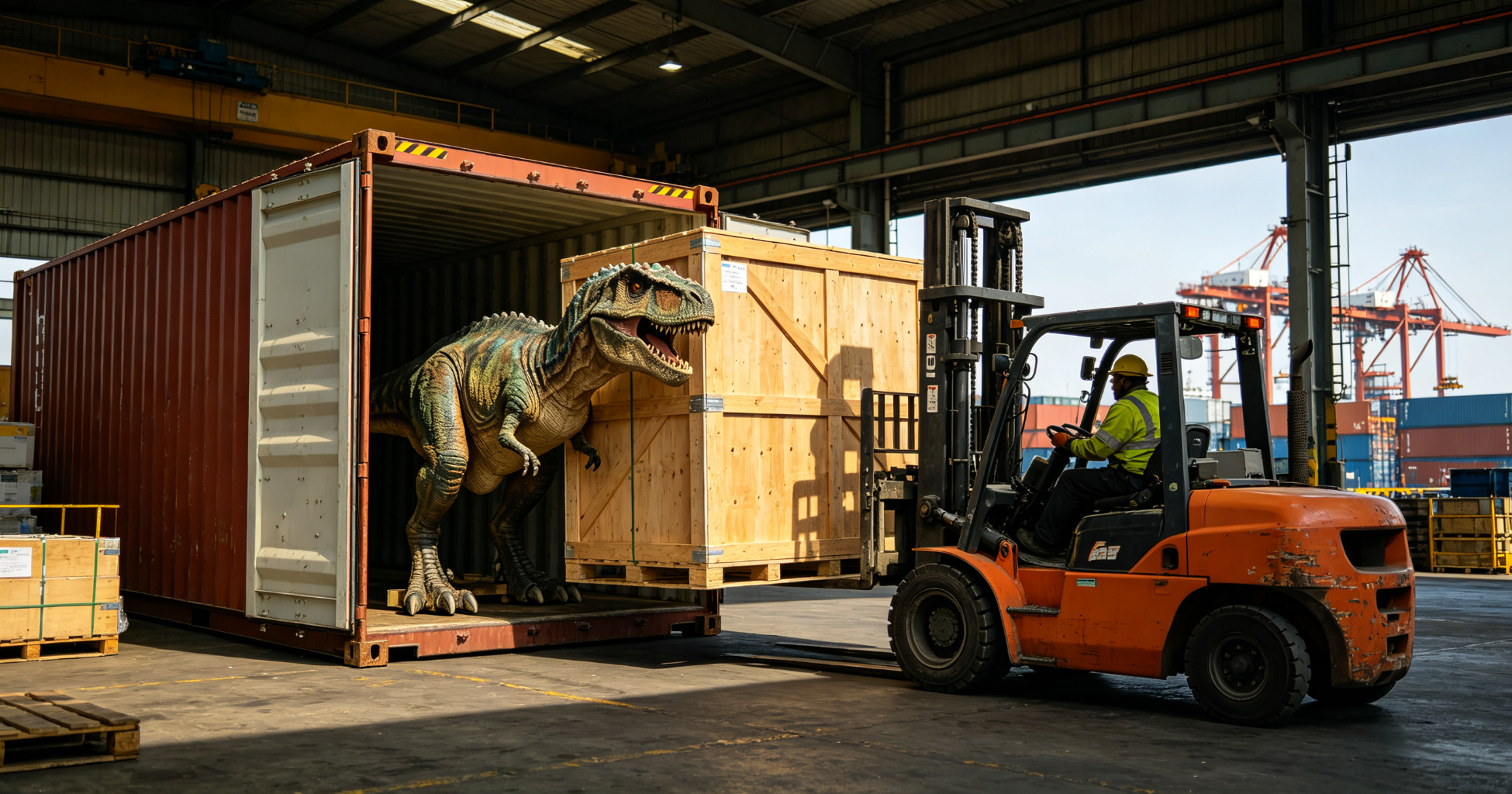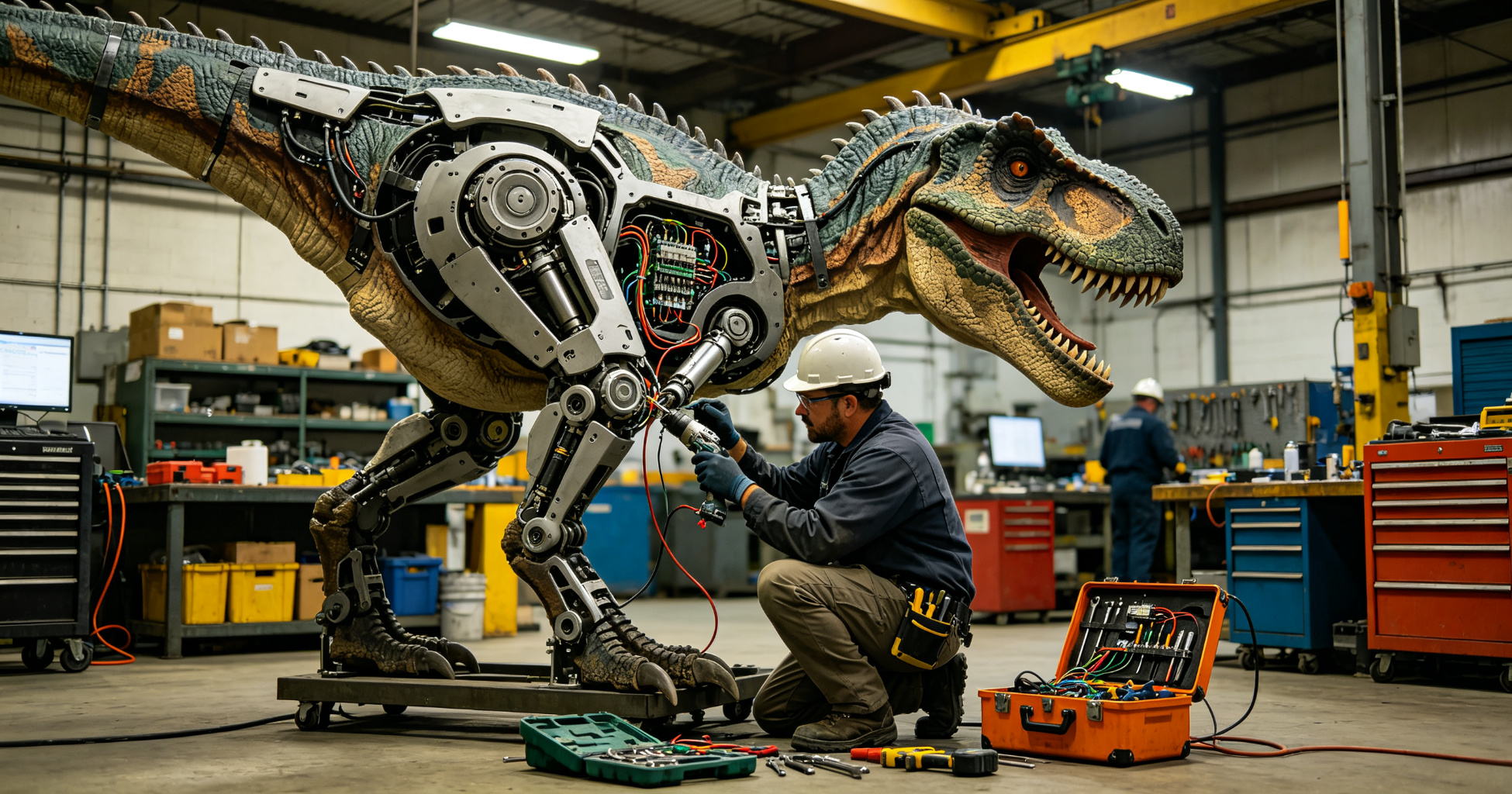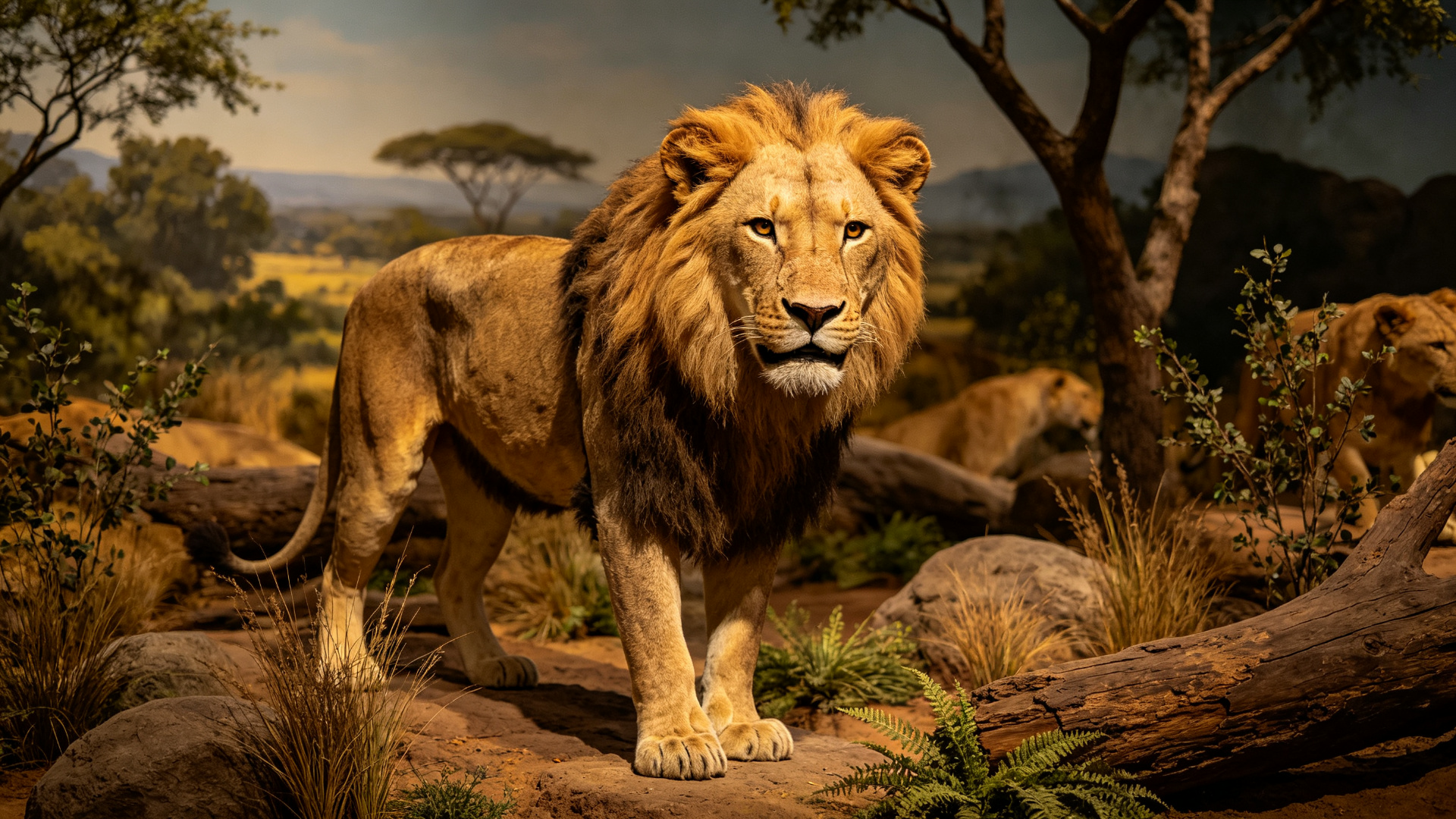
Zoos and wildlife parks are natural homes for animatronic dinosaur exhibits. After all, what better place to bring extinct animals back to life than alongside their living descendants? Dinosaur exhibits at zoos provide something unique — a bridge between the living animals of today and the prehistoric creatures that came before, telling the story of evolution and deep time in a way that nothing else can.
But it is not just educational. Animatronic dinosaur exhibits are also powerful attendance drivers — particularly valuable during slow seasons and economic downturns. Many zoos report that dinosaur exhibits produce the strongest ROI of any temporary exhibition they run.
Why Dinosaurs Work So Well for Zoos
- Evolutionary context: Dinosaurs give zoos a natural way to teach evolution, deep time, extinction, and adaptation. The story of the dinosaurs' rise and fall is the perfect lead-in to conversations about modern conservation and biodiversity.
- Cross-generational appeal: Grandparents who remember dinosaur exhibits from their own childhood bring their grandchildren, creating multi-generational visitation patterns.
- Seasonal flexibility: Dinosaur exhibits can run during summer peak, spring break, or winter holiday periods — whenever the zoo needs an attendance boost. They are also ideal for filling gaps between major capital projects.
- Low operational overhead: Compared to living animal exhibits, dinosaur animatronics have minimal care requirements — no feeding, no veterinary care, no daily cleaning of enclosures. Turn them on in the morning, turn them off at night.
- Space-efficient: A quality dinosaur walk-through exhibition can fit in a fraction of the space needed for comparable living animal exhibits, making it easy to add to existing zoo layouts.
Educational Benefits: More Than Just Entertainment
The best zoo dinosaur installations are carefully designed to be educational as well as entertaining. When done right, they teach important concepts:
- Deep time: Dinosaurs help visitors grasp the immense scale of geological time — millions and millions of years. This perspective makes modern climate change and extinction events more meaningful.
- Evolution and adaptation: Comparing dinosaur features to modern animal features — feathers on dinosaurs and birds, similar bone structures, convergent evolution — helps visitors understand how species change over time.
- Extinction: The dinosaur extinction story is a powerful entry point for conversations about modern extinction crises and conservation. Visitors who connect emotionally with dinosaurs are more receptive to conservation messaging about living animals.
- Paleontology as science: Dinosaur exhibits introduce visitors to how we know what we know — fossil evidence, scientific method, changing theories, the role of technology in discovery.
- Biodiversity past and present: A dinosaur exhibit that connects to the zoo's living collection — showing how today's animals are related to or fill similar niches as dinosaurs — helps visitors see the bigger picture of life on Earth.
Importantly, research consistently shows that emotional, immersive experiences like animatronic dinosaur exhibits improve knowledge retention compared to text-based learning. People remember what they feel.
Exhibit Design Strategies for Zoos
How you design and position a dinosaur exhibit within a zoo makes a big difference in its impact. Consider these proven approaches:
The Trail Approach
Arrange multiple dinosaurs along a winding trail through trees and landscaping, so visitors encounter each one as they walk. This is the most popular format for zoos because it creates a journey of discovery. Each dinosaur can have its own educational signage, and the natural setting of the zoo integrates beautifully with the prehistoric theme.
For maximum impact, design the trail so it builds in scale and drama — start with smaller dinosaurs and work up to a large T-Rex or sauropod at the end. The finale dinosaur becomes the memorable climax of the experience.
The Time Period Zones Approach
Organize the exhibit by geologic time period — Triassic, Jurassic, Cretaceous — with species appropriate to each era. As visitors walk through, they travel forward (or backward) in time, seeing how dinosaurs evolved and changed across millions of years. This is particularly effective for teaching evolution and deep time concepts.
The Prehistoric vs. Modern Comparison Approach
Place dinosaur animatronics near related living animal exhibits to create explicit comparisons. For example, a Triceratops near the rhino exhibit, a flying pterosaur near the bird aviary, a marine reptile near the aquarium section. This design approach draws direct lines between prehistoric and modern biodiversity.
The Dino Dig + Animatronic Combo
Pair the animatronic exhibit with a hands-on fossil dig pit for kids. This gives the whole family something to do — adults enjoy the animatronics and educational content, kids enjoy digging for "fossils." The dig area also provides a natural stopping point where families spend more time and buy more snacks and merchandise.
Seasonal Programming and Events
Dinosaur exhibits work especially well as seasonal programming for zoos. Here are the most popular approaches:
- Summer dinosaur exhibit: Run from Memorial Day through Labor Day as the zoo's big summer attraction. Families plan summer outings around it.
- Spring break: A shorter, smaller dinosaur installation for spring break week can give a nice attendance bump during an otherwise slow period.
- Dinosaur Halloween: Repurpose the dinosaur exhibit for Halloween events — "Dino Boo" or "Jurassic Fright Night" themes are very popular. Add spooky lighting, fog effects, and costume elements.
- Winter holiday: "Dinosaurs in the Snow" or "Holiday in the Cretaceous" themed light events with dinosaurs can be a big draw during winter months.
Results: What Zoos Report
SAGE has provided dinosaur exhibits for dozens of zoos and wildlife parks worldwide. Here is what our clients typically report:
- Attendance increase: 20-40% above baseline during the dinosaur exhibition, with the strongest impact on weekends and school holidays
- Membership growth: Zoos typically see a 10-25% increase in new memberships during and immediately after a dinosaur exhibit run
- Secondary spending: Gift shop, food service, and parking revenue all increase 15-30% during dinosaur exhibitions
- Educational impact: Post-visit surveys show that visitors who went through the dinosaur exhibit scored 30-50% higher on knowledge tests about evolution and paleontology than control groups
- ROI: Most zoo dinosaur exhibits pay for themselves within 2-4 months of opening through increased ticket and membership revenue
Buy vs. Rent for Zoos
Zoos have two basic options for dinosaur exhibits:
Rental (Most Common for Zoos)
Rental is the most popular option for zoos because it allows you to rotate exhibits regularly and keep things fresh. Rent a dinosaur collection for 3-6 months, then replace it with something new the following year.
- Cost: Typically 15-30% of purchase price for a 3-6 month rental
- Includes: Delivery, installation, removal, and maintenance during the rental period
- Best for: Seasonal exhibits, rotating exhibition programming, testing the concept
Purchase (Permanent Installation)
Purchase is better for zoos that want a permanent feature — perhaps a signature dinosaur at the entrance, or a permanent dinosaur trail that becomes part of the zoo's identity.
- Cost: Full purchase price
- Includes: The dinosaur itself, plus installation and training. You handle ongoing maintenance.
- Best for: Permanent exhibits, signature pieces, very high-traffic locations
Many zoos start with a rental to see how the concept performs, then purchase one or two signature pieces permanently if it works well.
Tips for a Successful Zoo Dinosaur Exhibit
- Integrate education throughout: Every dinosaur should have accompanying information — species name, when it lived, what it ate, fun facts, and conservation connections.
- Train your staff: Docents and zookeepers should be trained to talk about the dinosaurs and answer visitor questions. Staff engagement makes the exhibit much more meaningful.
- Think about photo moments: Design at least one clear photo spot per dinosaur. Social sharing is a big part of how the exhibit drives additional attendance.
- Mind the sound levels: Zoo environments should feel peaceful, not like an amusement park. Keep dinosaur volumes moderate and use motion-triggered activation rather than continuous looping.
- Consider accessibility: Ensure the dinosaur trail is accessible to wheelchairs and strollers, and that viewing areas work for visitors of all heights.
- Promote it well: A great exhibit no one knows about underperforms. Invest in marketing — local media, social media, school outreach, partner promotions.