Animatronic dinosaurs are natural showstoppers at events, trade shows, and temporary exhibitions. Nothing draws a crowd like a life-size roaring dinosaur. Whether you are launching a product at a trade show, hosting a corporate event, or producing a traveling exhibition, animatronic dinosaurs can make your event unforgettable.
But temporary installations have different requirements than permanent ones. You need dinosaurs that are easy to transport, quick to set up and tear down, reliable enough to run continuously for the duration of the event, and impressive enough to stand out in a crowded event environment. This guide covers everything you need to know.
Why Dinosaurs Work for Events and Exhibitions
- Attention-grabbing: In a crowded trade show hall or event space, a life-size dinosaur stands out literally head and shoulders above everything else. People will walk across the entire venue to see it.
- Conversation starter: Dinosaurs give attendees something to talk about. They are memorable, unusual, and inherently shareable — perfect for social media and word-of-mouth.
- Brand differentiation: Most companies bring booths, banners, and swag. You bring a T-Rex. Which one are people going to remember?
- Versatility: Dinosaurs work for a huge range of events — trade shows, corporate parties, product launches, festivals, fairs, conventions, mall events, museum pop-ups, you name it.
- Photo magnet: Event attendees love taking photos with dinosaurs and sharing them. A well-placed dinosaur can generate thousands of organic social media impressions.
Common Event and Exhibition Uses
- Trade show booths: A dinosaur in your booth is the ultimate traffic builder. It ensures people stop at your booth instead of walking past.
- Corporate events and parties: Dinosaurs make company parties, product launches, and milestone celebrations feel special and memorable.
- Traveling exhibitions: Touring dinosaur exhibitions that move from city to city, museum to museum — a proven format with strong attendance wherever it goes.
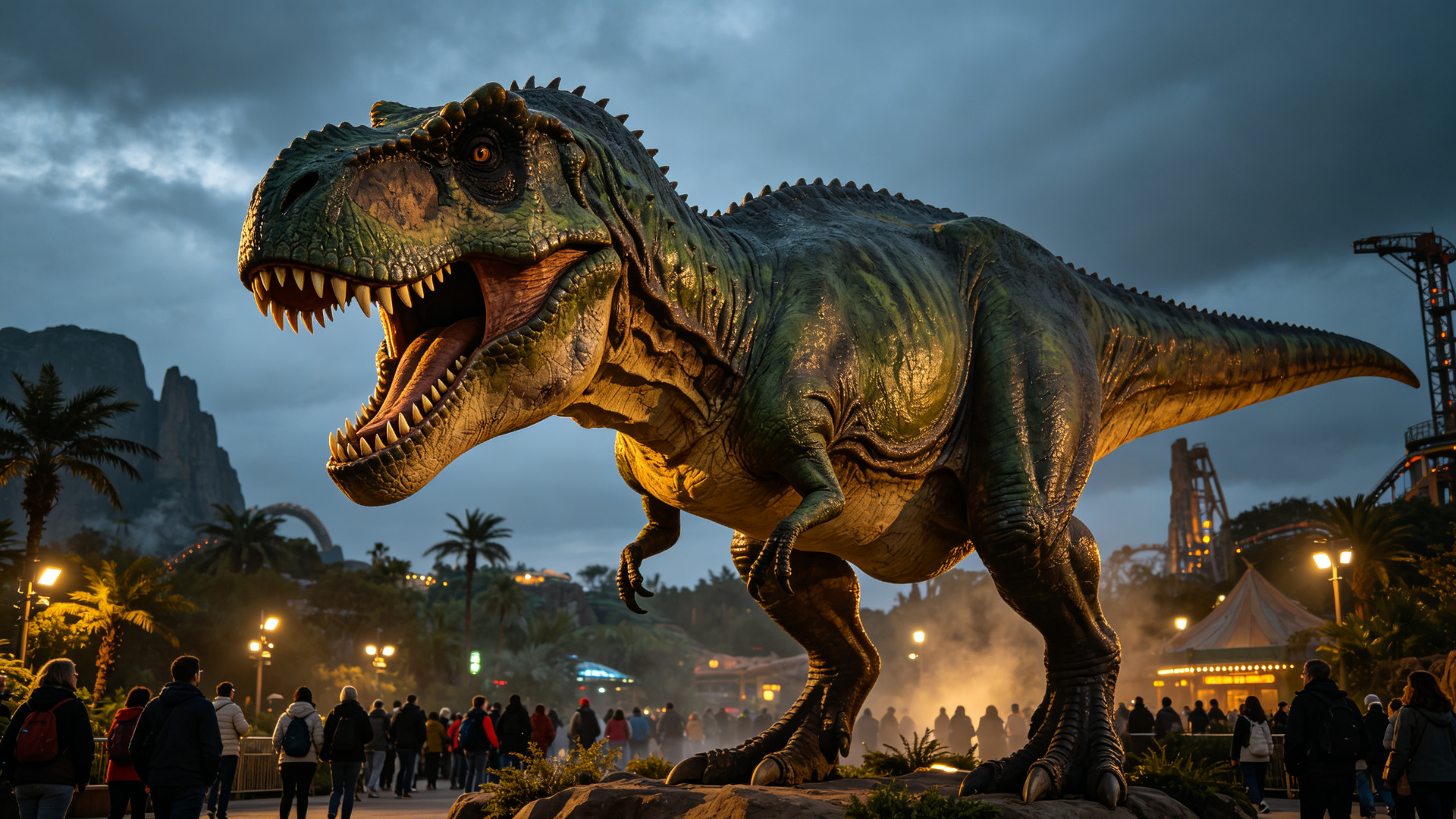
- Fairs and festivals: County fairs, city festivals, seasonal events — dinosaurs are a big draw for any family-focused event.
- Pop-up attractions: Temporary dinosaur attractions in empty retail spaces, shopping malls, or event venues — short-term, high-impact.
- Sports and entertainment events: Dinosaurs as half-time entertainment, pre-game attractions, or fan zone features.
- Educational events: STEM fairs, science festivals, school events — dinosaurs make learning fun.
Buy vs. Rent for Events
For temporary events, rental is almost always the better choice. Here is the comparison:
Rental (Recommended for Most Events)
- Cost: Typically 15-30% of the purchase price for a 2-4 week rental period
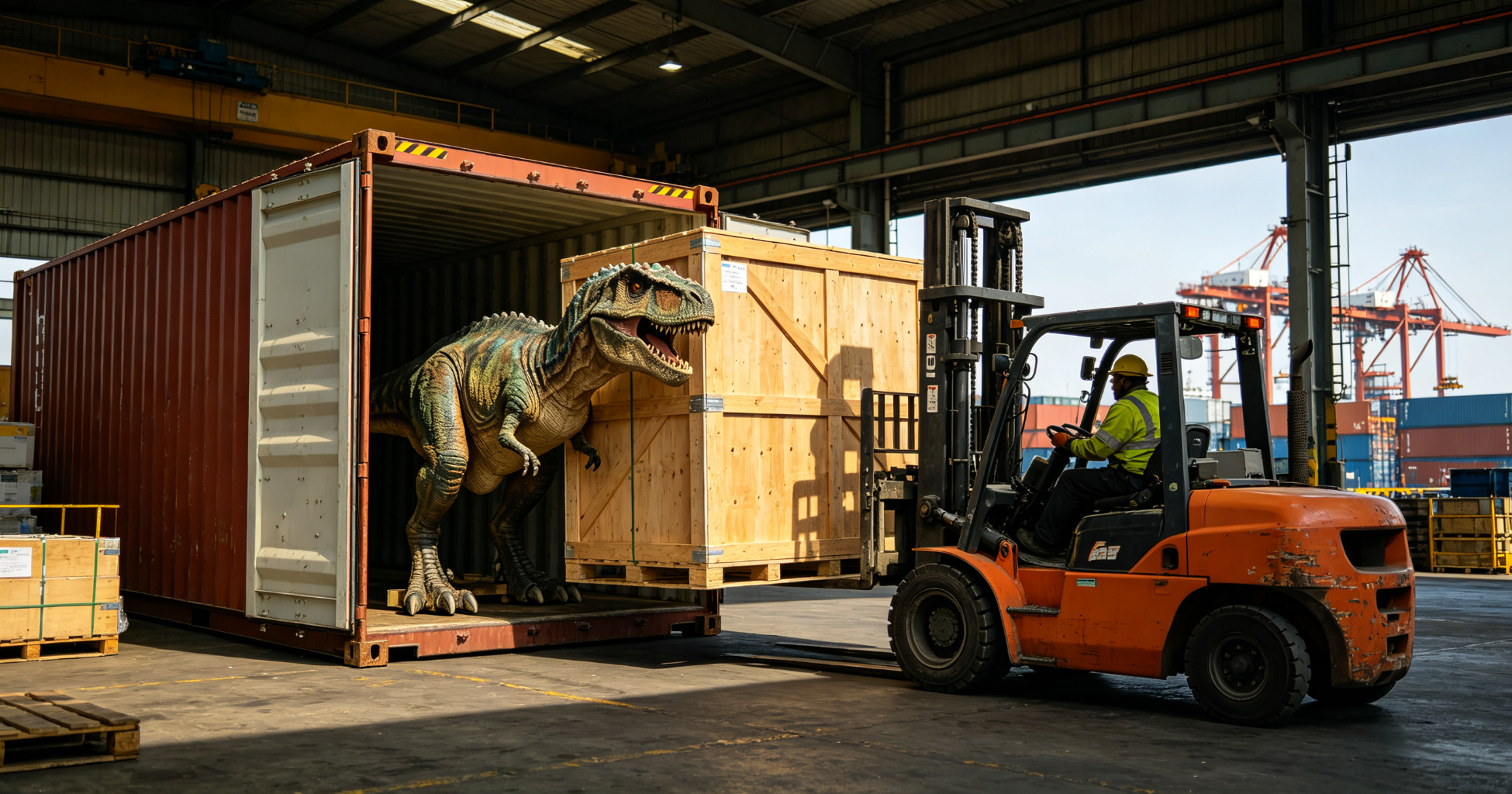
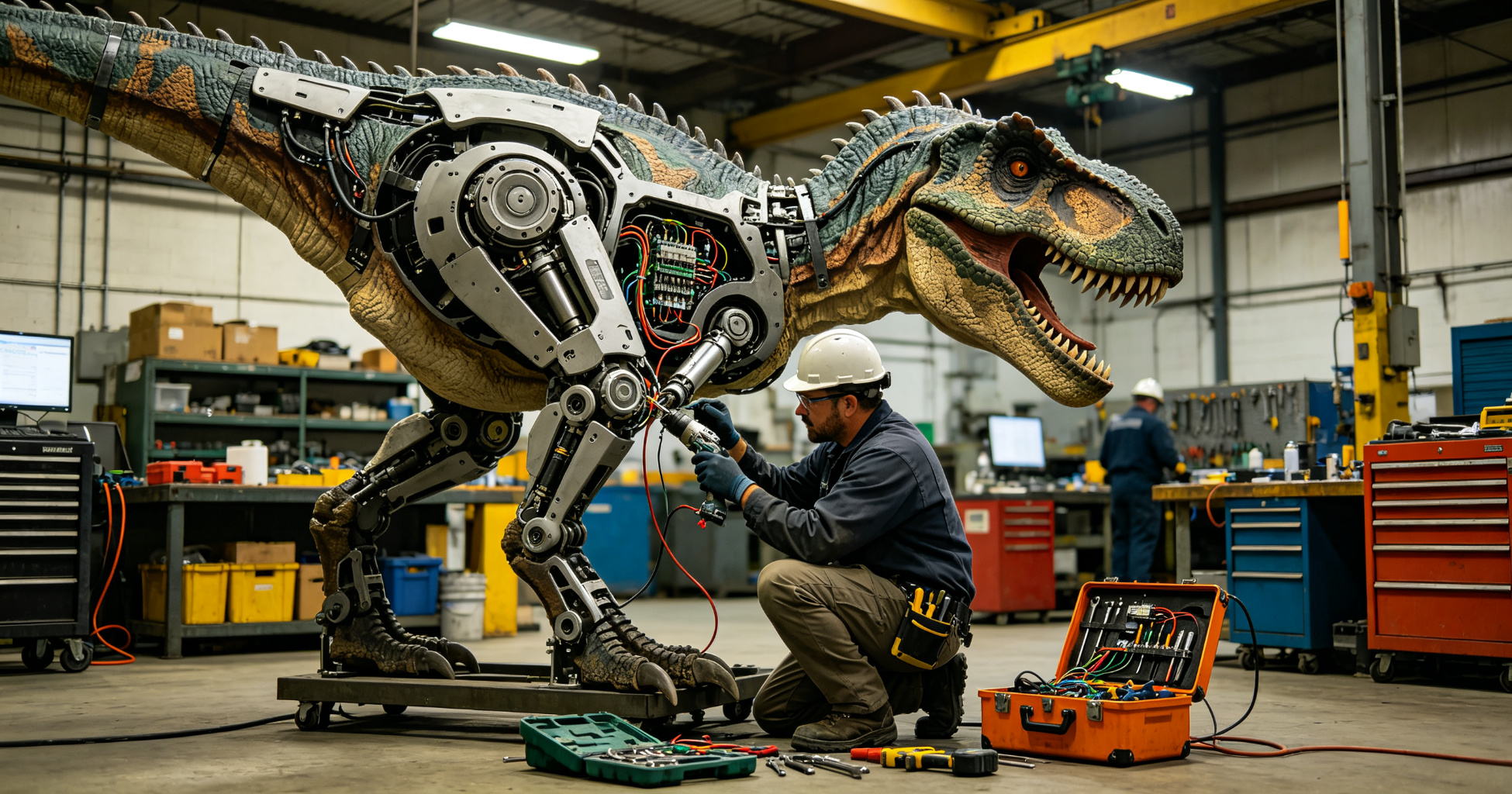
- Includes: Delivery, setup, teardown, on-site technician support (optional), maintenance during the rental period
- Advantages: Lower cost for short-term use, no storage or maintenance between events, always get the latest models, manufacturer handles logistics
- Best for: Single events, trade shows, festivals, pop-ups, anything under 3 months
Purchase (For Multi-Use Tours and Permanent Use)
- Cost: Full purchase price
- Includes: The dinosaur, road case or crate, training, spare parts kit
- Advantages: Lower per-event cost if you use it frequently, full control over scheduling, can customize to your brand
- Best for: Touring exhibitions, event production companies with multiple clients, frequent use (4+ events per year)
SAGE offers both rental and purchase options, with rental credits available if you decide to purchase after an initial rental period.
Choosing the Right Dinosaur for Your Event
The best dinosaur for your event depends on your space, budget, audience, and goals. Here are some recommendations by event type:
Trade Shows
- Size: Small to medium (3-8m). You need to fit it in a standard booth space and not block sight lines to your product displays.
- Best species: T-Rex (most recognizable), Velociraptor (exciting but compact), or a dinosaur head bust (very compact but still impressive)
- Volume: Keep sound levels moderate — trade show halls are noisy enough already. You want the dinosaur to be a conversation piece, not a nuisance to neighboring booths.
- Branding: Consider adding your company logo or message on a base, backdrop, or information panel next to the dinosaur.
Corporate Events and Parties
- Size: Medium to large (5-12m) — the more impressive, the better for a special event.
- Best species: T-Rex (always a hit), Triceratops (family-friendly), or a pair of Velociraptors for dynamic energy.
- Bonus: Add a performer in a dinosaur costume for meet-and-greets, photos, and interactive fun throughout the event.
Traveling Exhibitions
- Size: Mix of sizes — from small to large — to create a complete experience.
- Number of dinosaurs: 8-15 dinosaurs for a full touring exhibition, plus supporting exhibits (fossil displays, interactive stations, educational panels).
- Durability: Built for frequent assembly and disassembly — modular design, sturdy crates, quick-connect systems.
- Transportation: Everything must fit in standard shipping containers or semi-trucks for road transport.
Fairs and Festivals
- Size: Large and impressive — fairs are about spectacle. Go big.
- Best species: T-Rex, Brachiosaurus, Spinosaurus — the biggest, most recognizable crowd-pleasers.
- Durability: Built for outdoor use, able to handle sun, rain, dust, and heavy crowds.
Quick Setup and Teardown: What to Expect
For temporary events, setup speed matters. Here are typical setup times for SAGE dinosaurs:
- Small (2-4m): 2-4 hours for one dinosaur, 2-person crew
- Medium (6-10m): 4-8 hours for one dinosaur, 3-person crew
- Large (12-18m): 1-2 days for one dinosaur, 3-4 person crew
- Full exhibition (10+ dinosaurs): 3-7 days setup, 6-8 person crew
Teardown is generally faster — about 50-75% of setup time.
For maximum efficiency, SAGE's event-ready dinosaurs are designed for quick assembly. Key features include:
- Modular sections with quick-connect couplings
- Color-coded wiring harnesses for fast, error-free connection
- Tool-free assembly where possible
- Road cases with custom foam inserts for protection and easy inventory
- Pre-programmed control systems — just plug in and turn on
Logistics Tips for Event Organizers
- Measure access carefully: Make sure the dinosaur will fit through all doors, hallways, elevators, and loading dock access points. Measure twice — it saves a lot of headaches on setup day.
- Check floor loading: Venue floors have weight limits. Verify that the venue can support the dinosaur's weight — especially for large models on upper floors.
- Confirm power availability: A standard 220V outlet is usually sufficient for medium dinosaurs, but confirm with the venue.
- Plan for sound: Check with the venue about sound level restrictions. Indoor venues often have strict noise limits.
- Insurance: Make sure you have appropriate liability insurance for the exhibit. Most venues require proof of insurance.
- Safety barriers: Plan for safety barriers around the dinosaur. You can bring your own or use the venue's existing barriers.
- Staffing: Have at least one staff member assigned to the dinosaur during event hours — for safety, to answer questions, and to manage the photo line.
Maximizing ROI at Events
An animatronic dinosaur is a significant investment for an event — make sure you get the most out of it:
- Promote it before the event: Tease the dinosaur in your pre-event marketing. "A life-size T-Rex is coming to our booth" is a far more compelling message than "visit our booth."
- Create a photo moment: Design the dinosaur and its surroundings for optimal photos. Add a backdrop, branded sign, or photo prop. Encourage sharing with a specific event hashtag.
- Use it as a traffic driver: Position the dinosaur to draw people to your most important area — the demo station, the sign-up desk, the product display.
- Collect leads: Use the dinosaur as a lead magnet — "scan your badge for a dinosaur photo" or "enter to win a dinosaur prize pack."
- Add interactive elements: Button-activated roars, touch sensors, or quiz stations give people a reason to stay longer and engage more deeply.
- Create content: Shoot your own photos and videos at the event for post-event marketing. The dinosaur makes great content for your blog and social media long after the event is over.
- Repurpose the investment: If you are buying, plan multiple uses — trade show, corporate event, community appearance, etc. — to spread the cost across more opportunities.